

Welcome to the BLOOM listening guide.
About the program: Bloom
Bloom explores two remarkable piano suites inspired by flowers and the natural world: From Grandmother’s Garden, Op. 97 by Amy Beach and Blumenleben, Op. 19 (The Life of Flowers) by Dora Pejačević. Each suite is comprised of miniature pieces named after individual flowers and invites us to wander through a musical garden.
At first glance, perhaps flowers seem an unlikely subject for serious musical expression. However, Beach and Pejacevic transform floral subjects into expressive musical portraits. Their music evokes the physical qualities of each flower (i.e. their movement, fragrance, growth habit) as well as symbolic meanings flowers carried in Western culture.
For Beach, From Grandmother’s Garden, Op. 97 reflects on memory by creating floral portraits within a cultivated garden, whereas Pejačević’s Blumenleben, Op. 19 positions flowers within the cycle of seasons.
Like a garden, these intimate pieces encourage attentive observation. You may find the following categories helpful as you listen:
An invitation to listen to:
how the music captures the physical qualities of each flower
how the music captures each flower’s symbolic and emotional associations
how each miniature contributes to a larger narrative across the suite
how musical ideas develop within each piece
Featured Composers
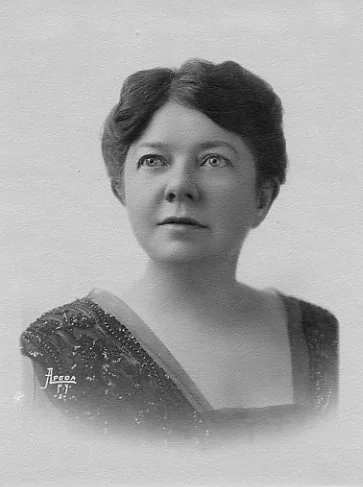
Amy Marcy Cheney Beach (1867-1944)
1867-1944
Amy Beach (1867–1944) was a member of the Second New England School of classical composers. Recognized early as a musical prodigy, her intensive training led to a brilliant debut with the Boston Symphony Orchestra at age seventeen. Following her marriage to Dr. H.H.A. Beach in 1885, she limited her public concertizing and redirected her focus toward composition. Her subsequent catalog heavily favored the piano, and includes demanding works like the Piano Concerto in C-sharp minor, Op. 45 and the Gaelic Symphony, Op. 32 as well as character suites such as From Grandmother's Garden, Op. 97. She found artistic refuge at the MacDowell Colony, where she composed numerous nature-inspired keyboard works that integrated late-Romantic virtuosity with impressionistic color.
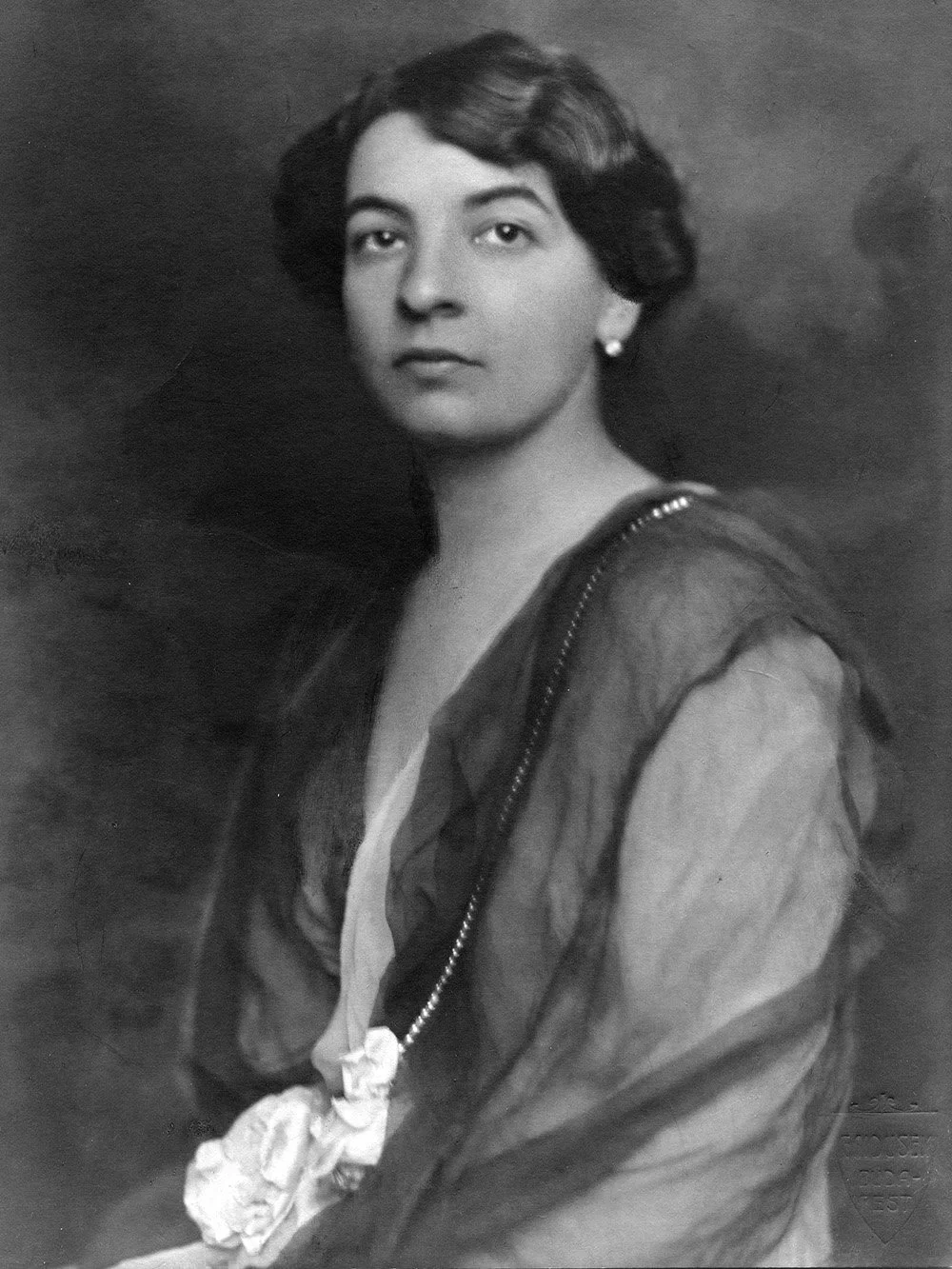
Maria Theodora Paulina “Dora” Pejačević
1885-1923
Dora Pejačević was a Croatian composer whose work bridges late-Romanticism and early 20th-century modernism. She was born to an aristocratic family; she was the daughter of a Croatian count and Hungarian countess. Educated primarily through private instruction in Dresden and Munich, she introduced the orchestral song to Croatian music and composed the nation's first modern symphony (Symphony in F# minor, Op. 41) and piano concerto. Her music, which includes a vast body of lieder, piano miniatures, and chamber works, is characterized by highly expressive harmonies that shifted toward expressionism and distinct philosophical themes following her service as a wartime paramedic. She died at the age of 38 due to complications with the birth of her only child.
From Grandmother’s Garden, Op. 97
Amy Beach
Year composed: 1922
Movements: Morning Glories, Heartsease, Mignonette, Rosemary and Rue, Honeysuckle
Composed in 1922 during her first residency at the MacDowell Colony in Peterborough, New Hampshire, Amy Beach's From Grandmother's Garden is a suite of five floral character pieces. The title immediately evokes female lineage and memory. Beach offers flowers from a cultivated, Victorian garden—a collection that invites listeners to imagine flowers gathered from that place. As musicologist Adrienne Fried Block observes, though the harmony is distinctly modern, the title suggests "a sentimental look backward.”
The flowers Beach chooses would have been familiar to many early twentieth-century listeners. Morning glories, heartsease, mignonette, rosemary and rue, and honeysuckle all carried well-established symbolic associations through the Victorian "language of flowers." Their selection therefore functions on multiple levels: each flower is both a botanical subject and a cultural symbol that evokes ideas such as remembrance, affection, regret, and devotion.
Gardens occupy a unique relationship to time. Unlike a photograph or a monument, they are continually renewed: flowers can return each year while never blooming in exactly the same way twice. Beach's imagined garden seems to inhabit this same cyclical conception of time. Beach assembles flowers from different seasons, and perhaps even different moments of the day. The suite opens with “Morning Glories,” whose blossoms famously unfurl with the sunrise, and concludes with “Honeysuckle,” a flower celebrated for its evening fragrance.
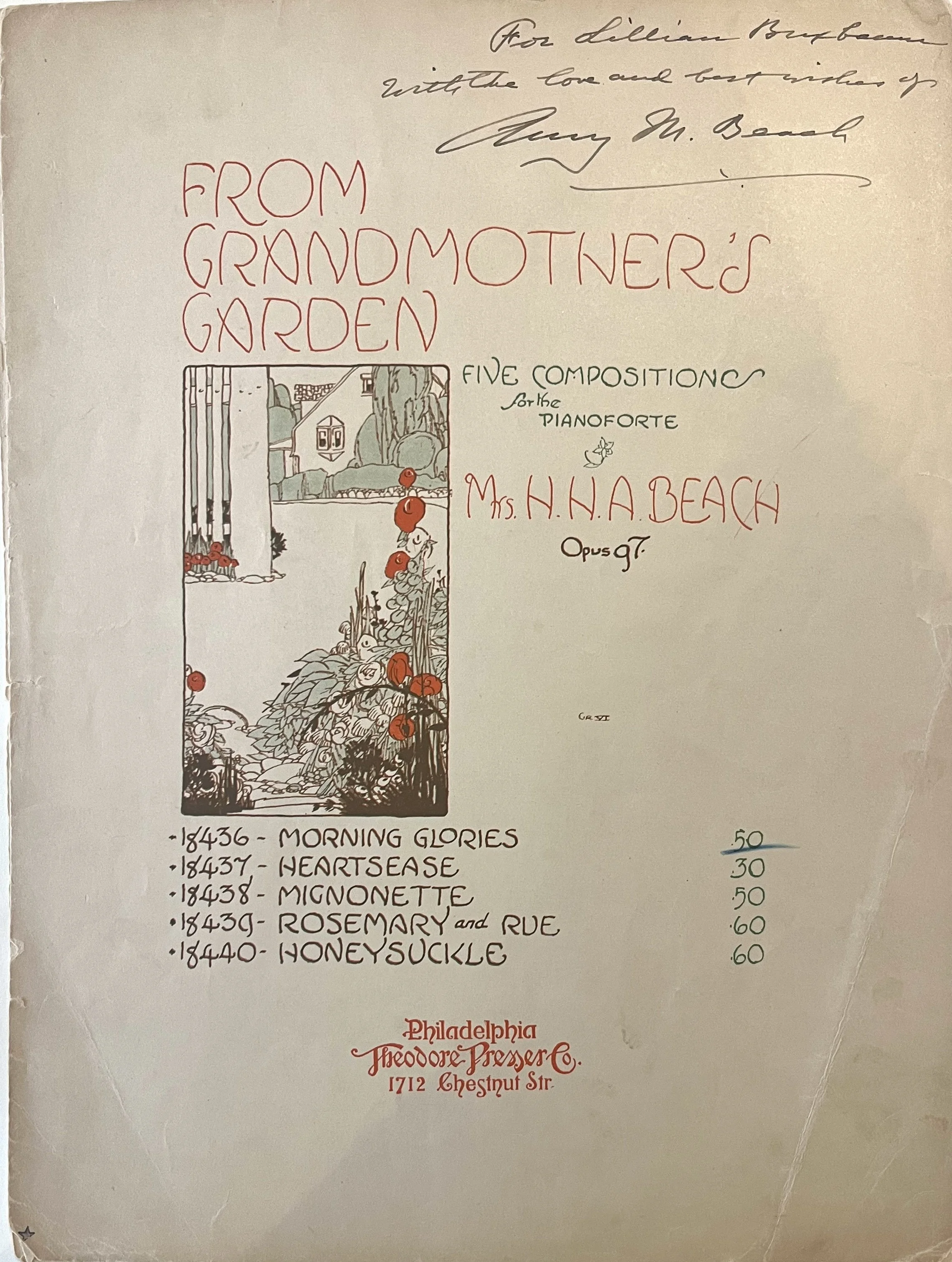
“For Lillian Buxbaum with the love and best wishes of Amy M. Beach”
An Inscription
This presentation copy of From Grandmother's Garden, Op. 97 is inscribed to the American mezzo-soprano Lillian Buxbaum, one of Beach's closest friends and artistic collaborators, resonates with the suite's title. From Grandmother's Garden, Op. 97 presents the flowers as something received from an earlier generation; this presentation copy, in turn, records another act of passing from one musician to another. Flowers continued to appear in Beach's correspondence—in postcards depicting daisies, carnations, and tulips, as well as in her affectionate observations about the natural world. Beach dedicated several other floral works to Buxbaum, including Dark Garden and May Flowers.
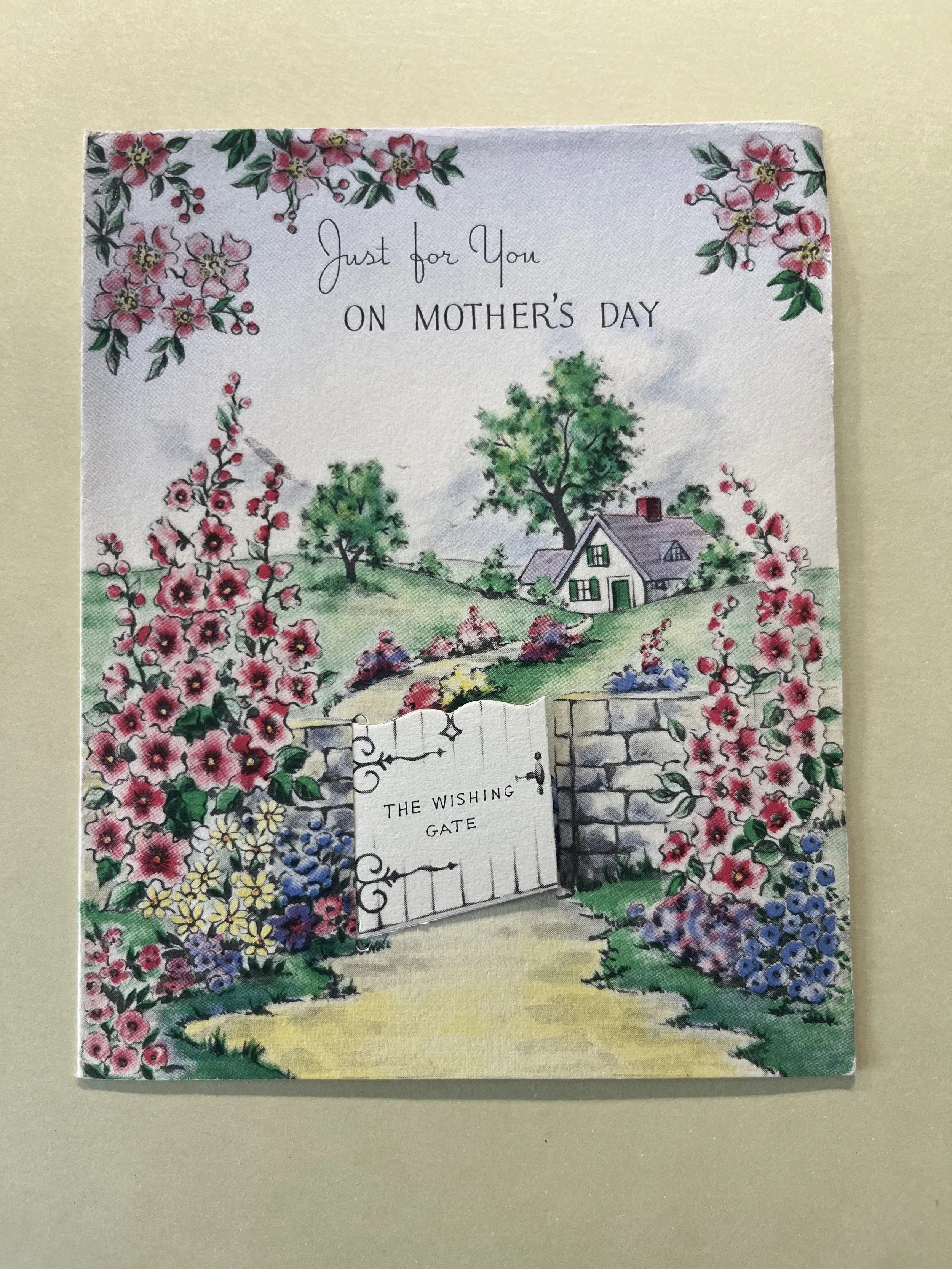
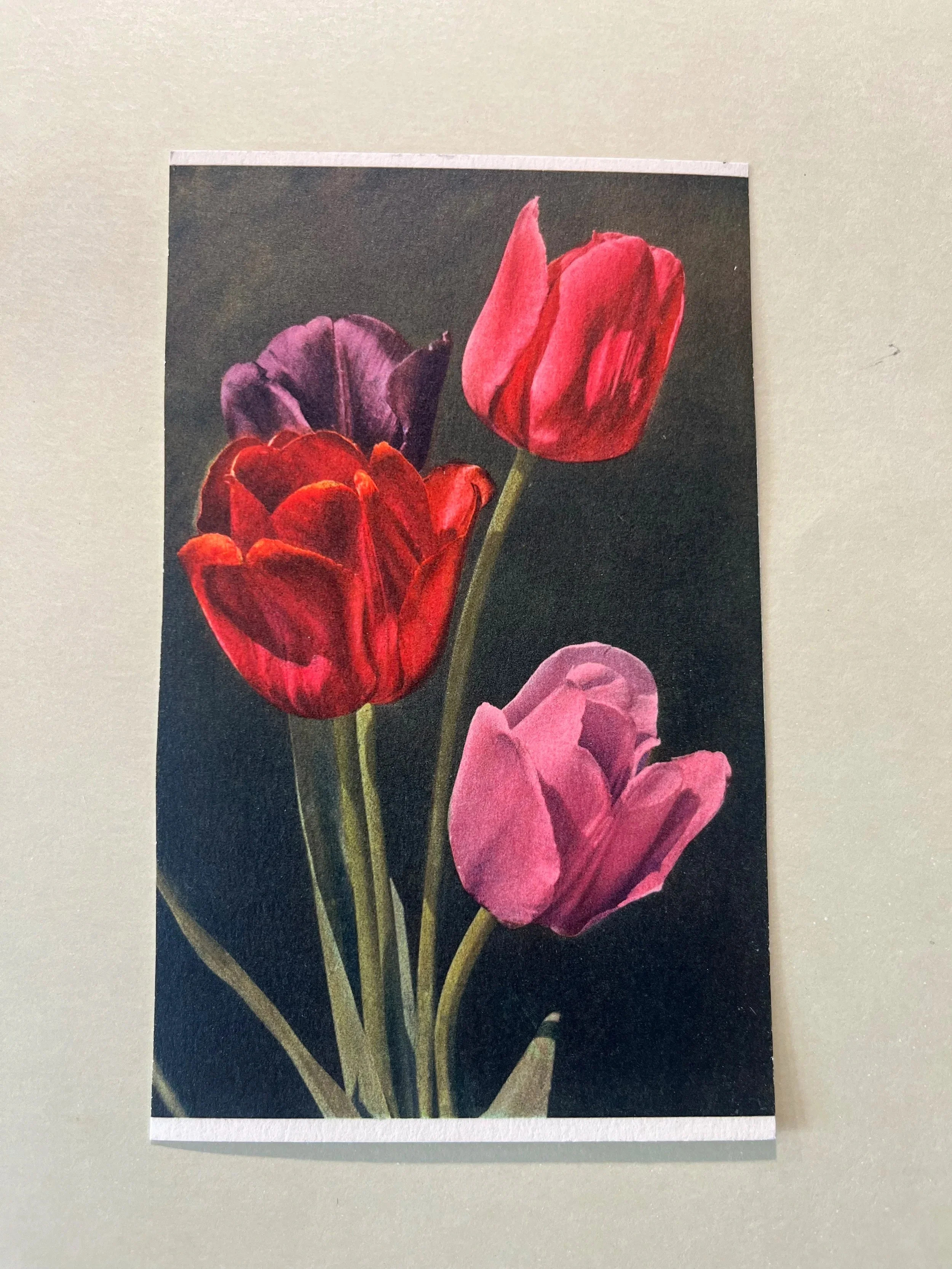
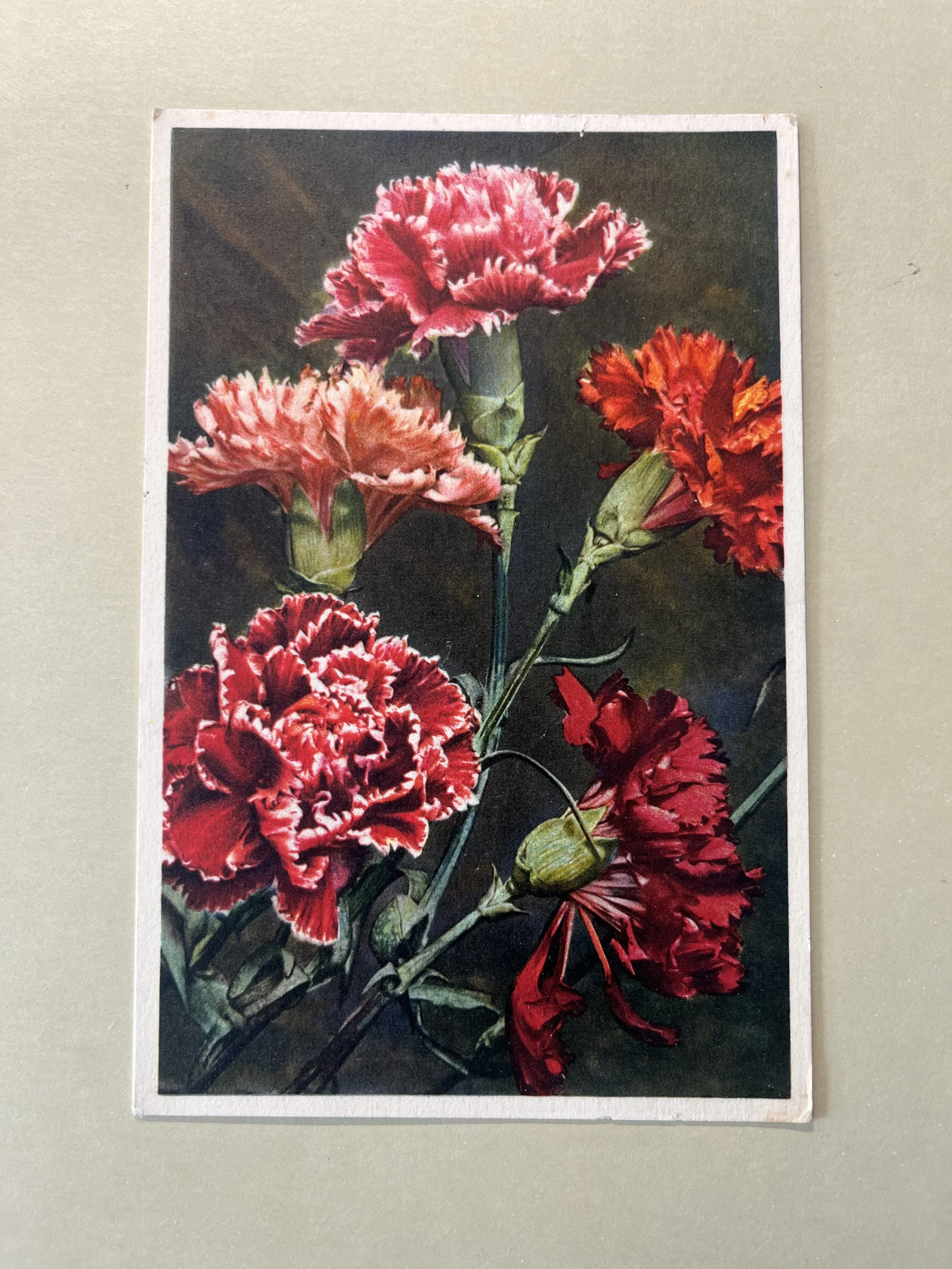
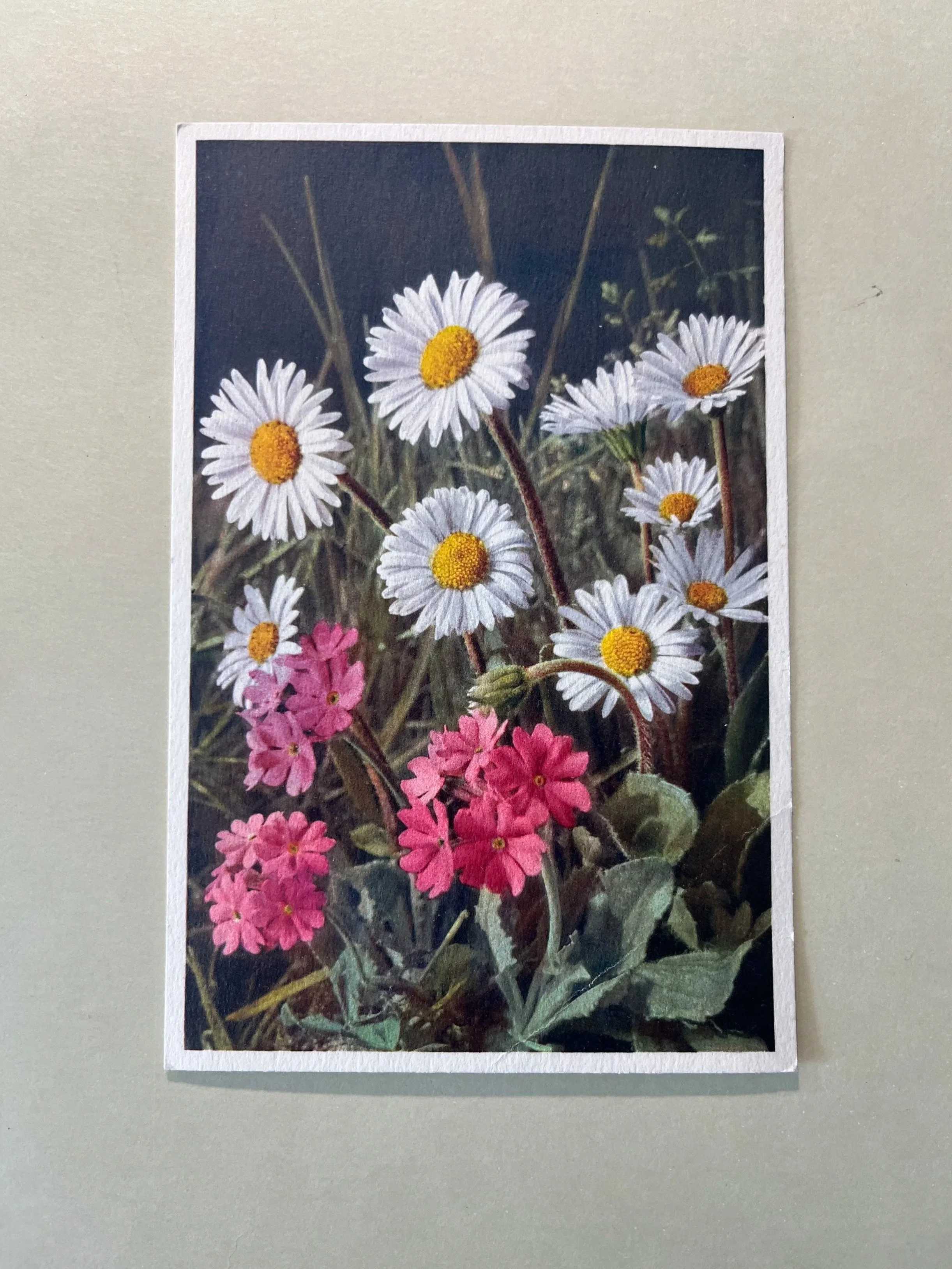
The postcards and greeting cards pictured above are drawn from the Amy Beach Papers at the University of New Hampshire.
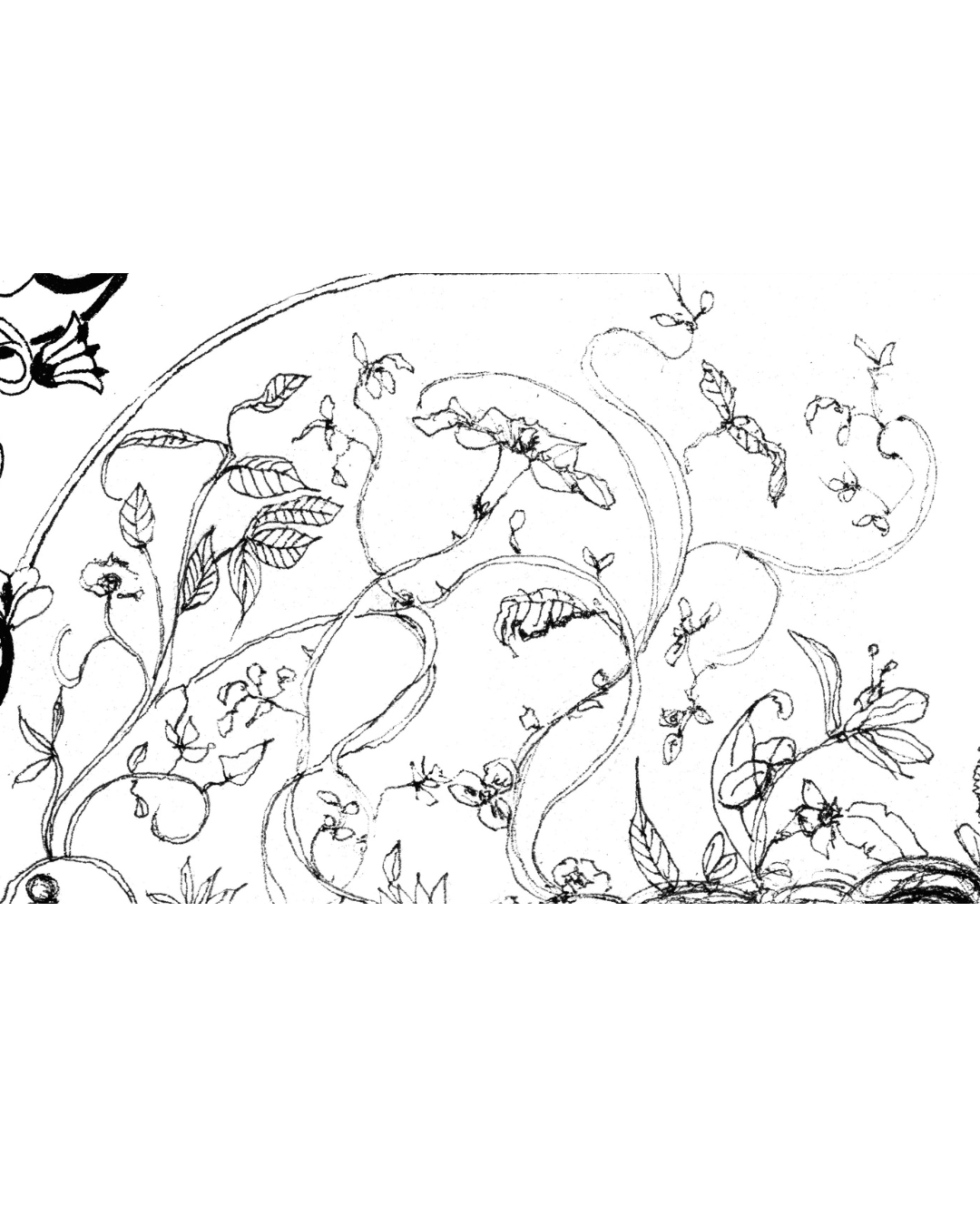
From Grandmother’s Garden, Op. 97
“Morning Glories”
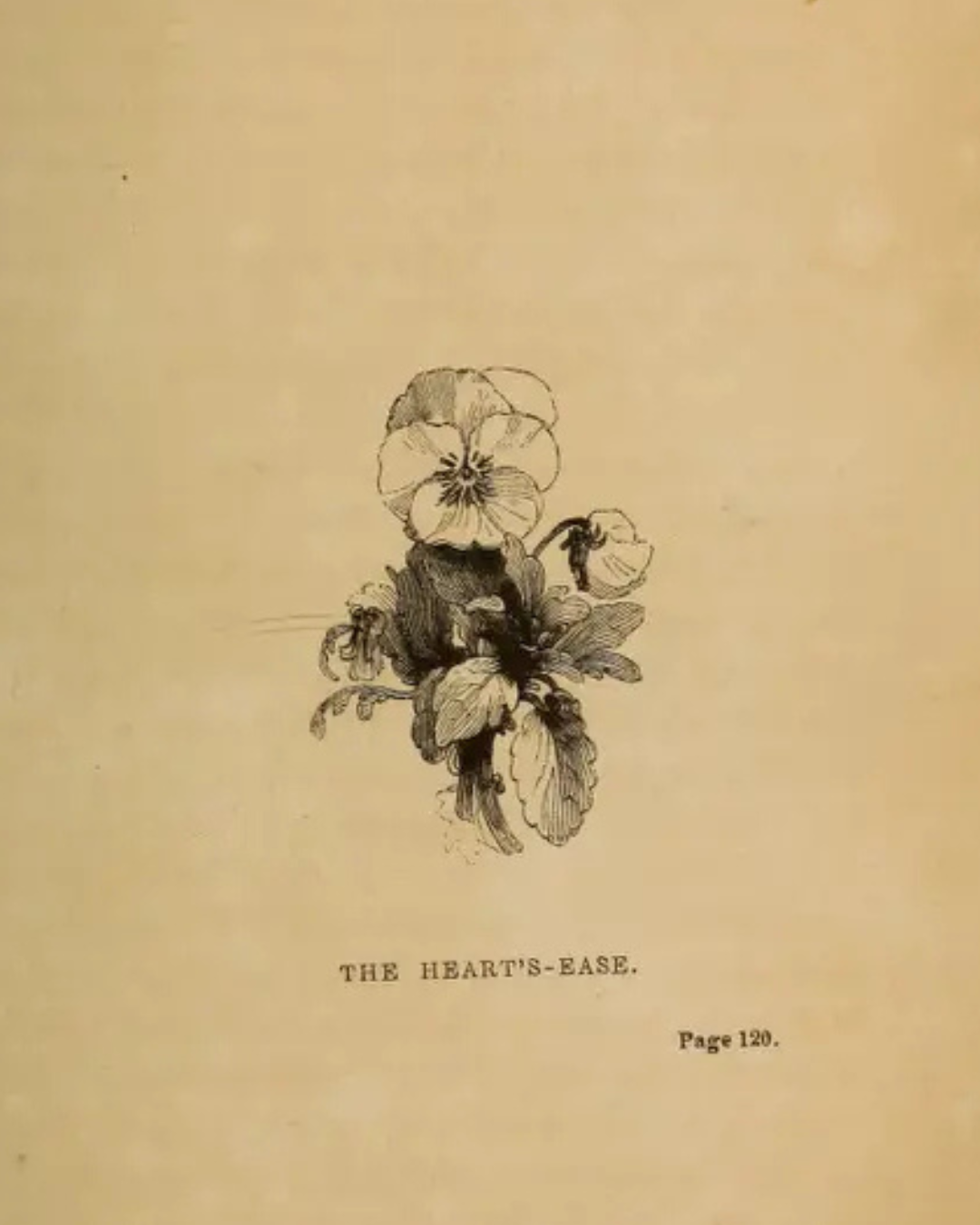
“Heartsease”
“Mignonette”
“Rosemary and Rue”
“Honeysuckle”
In the Victorian language of flowers, individual flowers communicated specific symbolic meanings, and the gifting of flowers could convey coded messages. Though Amy Beach composed From Grandmother's Garden, Op. 97 in 1922, the traditions of floriography remained familiar well into the early twentieth century. The language of flowers is especially resonant in this work, as Beach imagines a cultivated garden passed down from an earlier generation. At the same time, as Adrienne Fried Block observes, Beach's musical language is “modern” and even “forward-looking” at times, creating a dialogue between inherited Victorian traditions and a more modern musical voice.
“…the sea was a ‘heavenly blue’ — like the morning glories…”
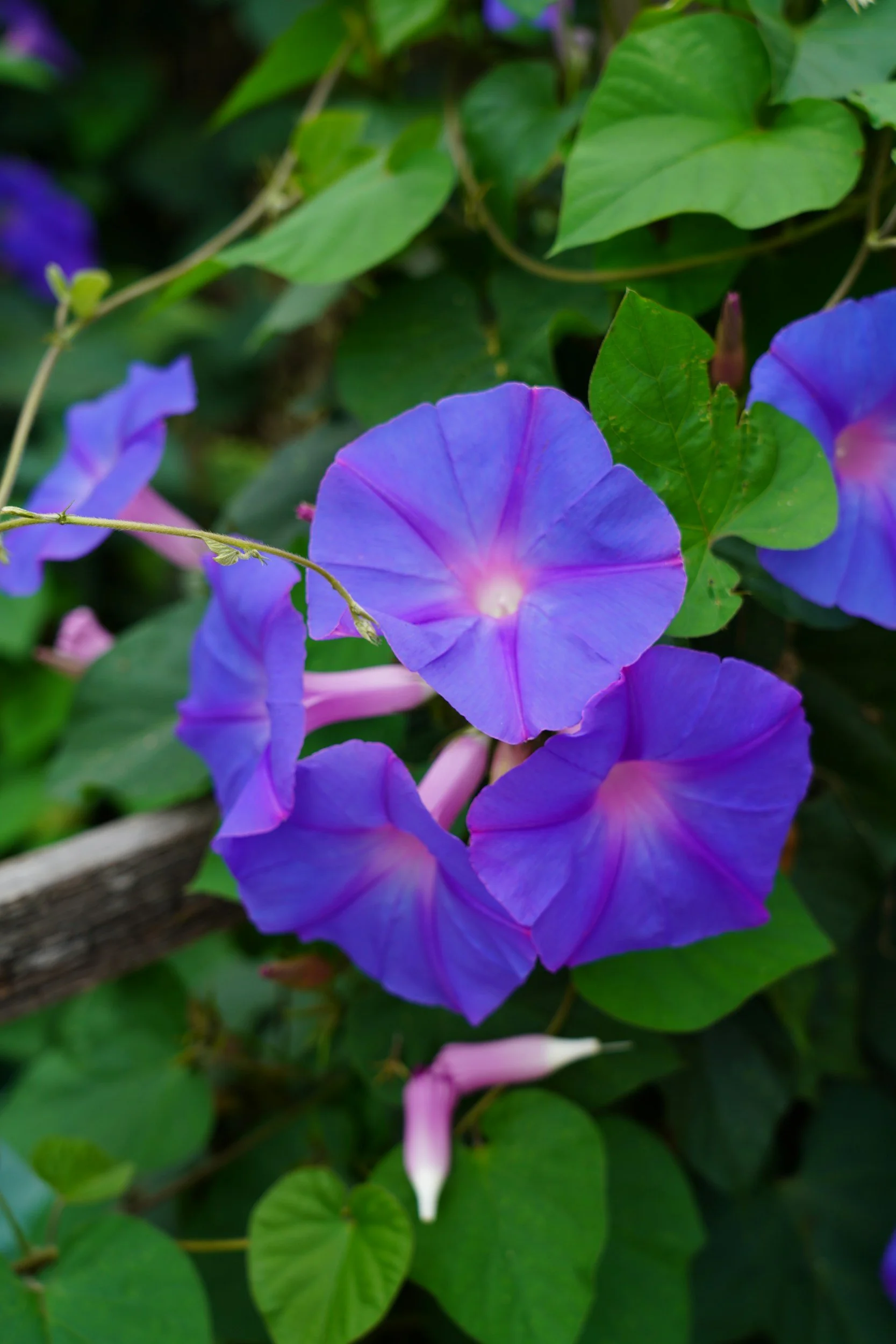
Amy Beach to Lillian BuxbaumFrom Grandmother’s Garden, Op. 97 opens with “Morning Glories,” flowers that came to represent the fleeting nature of life. Because the blooms open in the morning and fade by afternoon, these were symbols of life's transience.
The piece consists of a series of arpeggios (broken chords) that rise upwards as a chromatic melody explores the full range of the piano. Combined with a swift tempo, the music creates a vining effect. The tonality, E minor, wanders through various key areas, though firmly begins and ends in this darker key area. It is a stark transition between “Morning Glories”, which ends in E minor, to Heartsease (or wild pansy), in Db Major; we feel an immediate drop into a distant tonal area.
“Morning Glories”
“Heartsease”
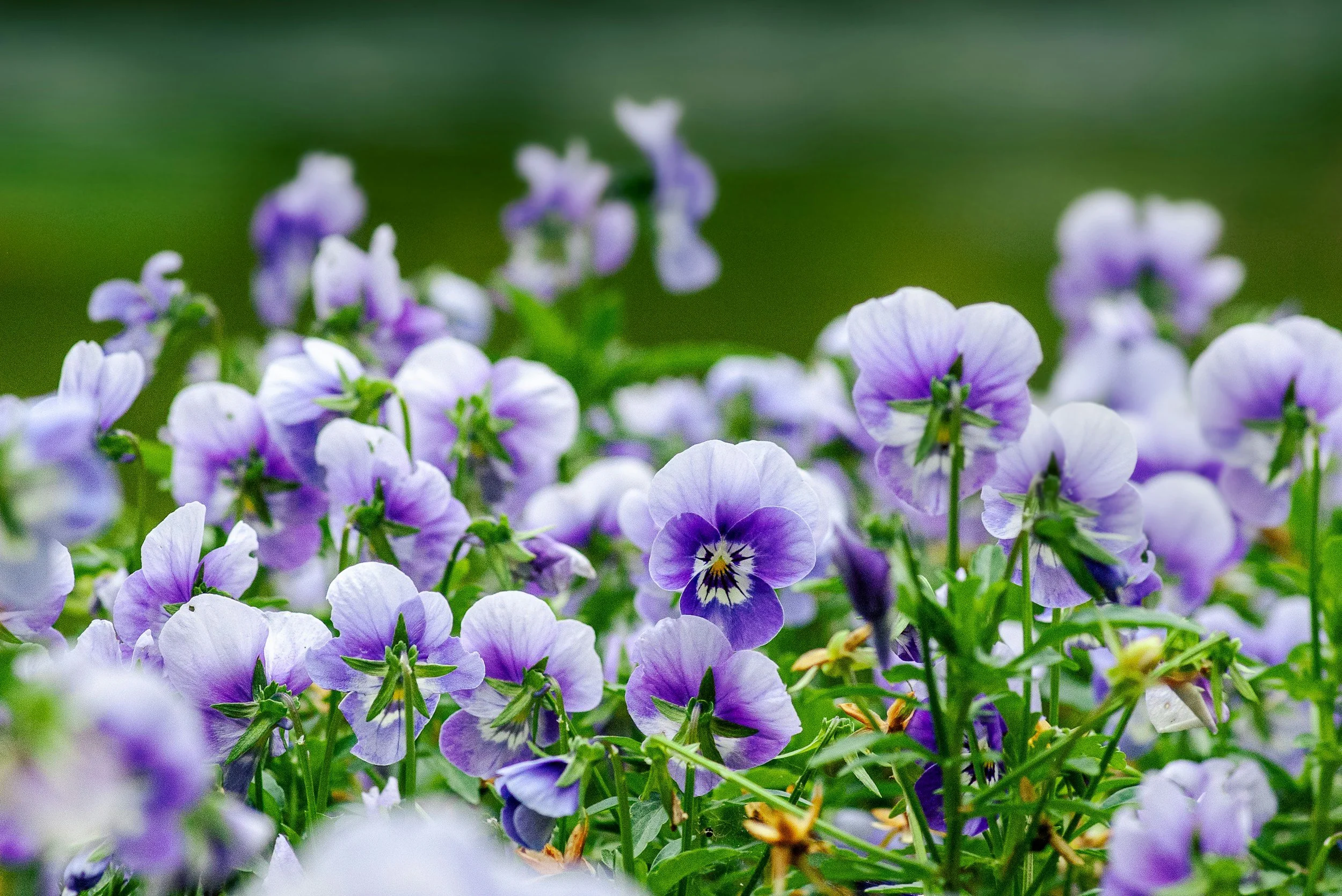
Heartsease represents loving thoughts (“you occupy my thoughts”) and believed it could mend broken hearts.
“Heartsease” consists of a lyrical tune that revels in Db Major, a key Beach associated with the color violet, which is consistent with the flower’s bloom color. The accompanying harmonies shift underneath through chromatic motion, though you can hear one pitch consistently articulated and ever-present throughout the theme as an undercurrent.
While Morning Glories has a vining, tumbling growth habit, Heartsease has a compact stature (reflected by the initial theme’s compressed chords and range). The stems lengthen and fade as spring turns into summer but often rebloom when the temperatures cool.
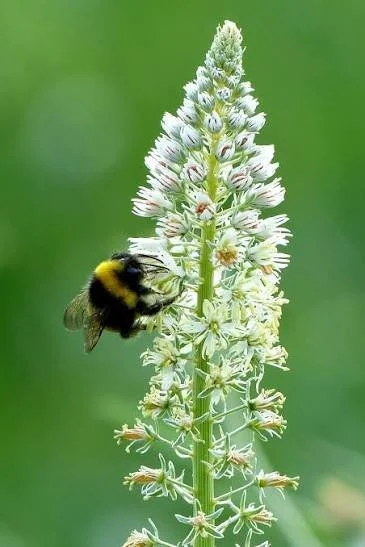
“Mignonette”
Mignonette produces tall spikes with tiny, star-like flowers. It has a spicy fragrance in spite of its modest appearance. This plant represents intellectual beauty and moral character.
Beach incorporates a playful use of dissonance through the use of fourths and contrary motion between the hands. A biting, staccato articulation, enhances the spiciness associated with this flower.
The piece is in a Minuet form — perhaps, a play on the word Mignonette. A Minuet is a modest dance; it is a short, light work in ABA’ form with a contrasting trio section.

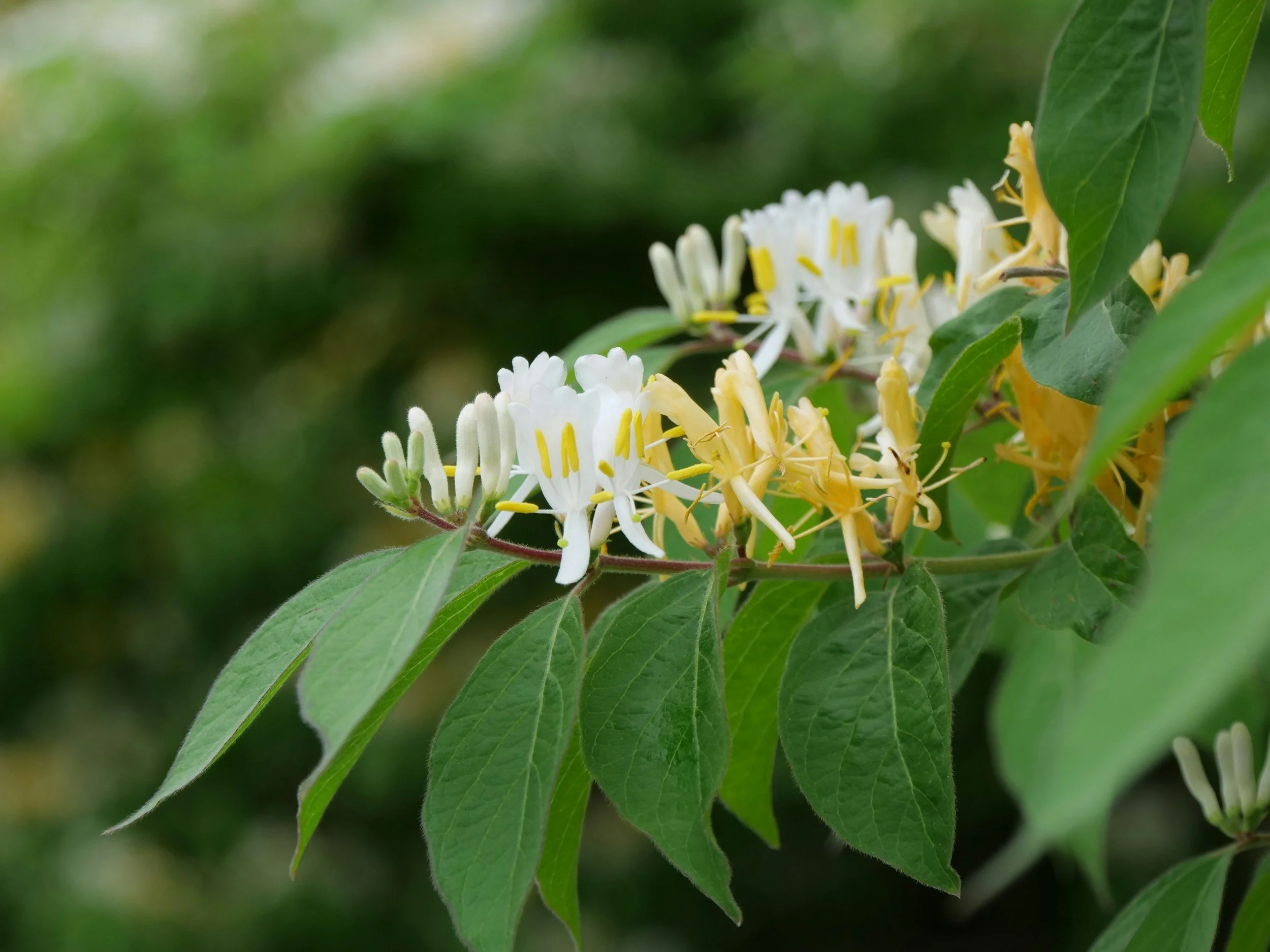
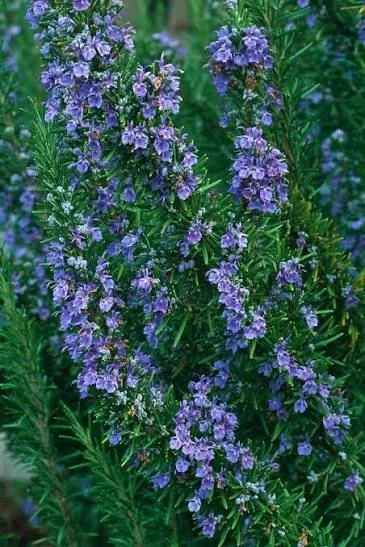
Rosemary traditionally symbolizes remembrance and fidelity; it was given as a token of love to signify someone will never be forgotten. Rue, on the other hand, with it’s strong odor and toxic sap, represents regret and repentance.
There are two main themes in this piece.
The first theme has two intertwining lines, moving chromatically downwards. Listen to the dissonance in the overlap between the harmonies in the first theme. The second theme is also lyrical and chromatic, this time moving at a slower pace.
Note: The second theme appears in two key areas which may correspond to Beach’s color associations. The first instance is in A flat major, a key she associated with Blue (corresponding to Rosemary flowers), and the second iteration of this theme closes the piece in E Major (yellow, the color of Rue’s flowers).
As a pair, Rosemary and Rue are a well known reference to Shakespeare’s Ophelia and her mad scene, in which she hands out flowers.
"There’s rosemary, that’s for remembrance. Pray you, love, remember. And there is pansies, that’s for thoughts. [...] There’s fennel for you, and columbines. There’s rue for you, and here’s some for me; we may call it herb of grace o’ Sundays. You ⟨must⟩ wear your rue with a difference. There’s a daisy. I would give you some violets, but they withered all when my father died." (Hamlet 4.5.199–209)
“Rosemary and Rue”
“Honeysuckle”
Honeysuckle symbolizes devotion, affection, and enduring friendship. It was often planted at gates of a home to symbolize lives growing together in steadfast connection.
The piece is marked con delicatezza and is a quick waltz with twisting figuration.
After a wandering, sequential opening, the piece finds its footing in A minor. The move from the end of Rosemary and Rue (E major) to Honeysuckle (A minor) provides a stronger sense of harmonic continuity than earlier transitions between pieces.
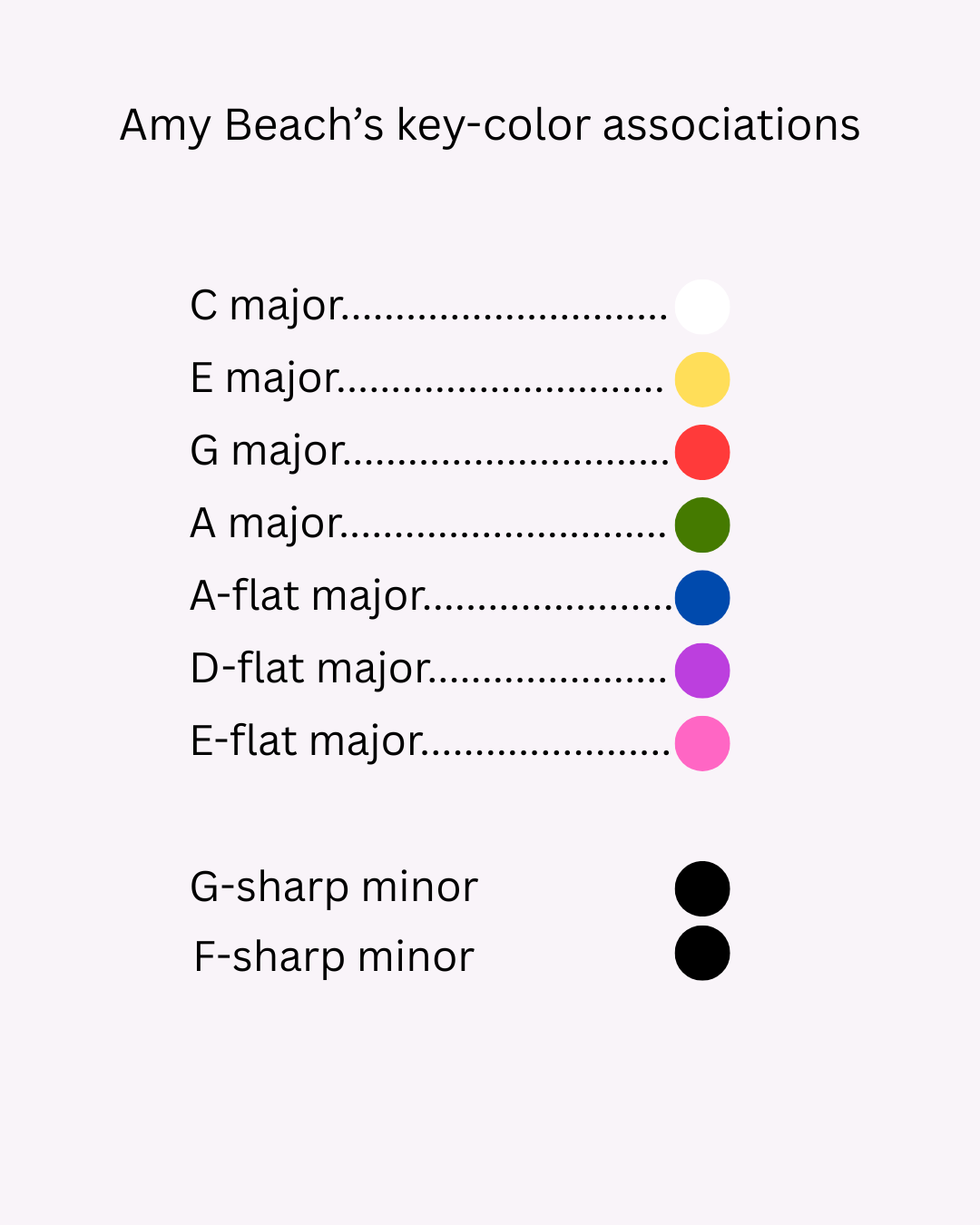
Hearing Color: Amy Beach and Synesthesia
Amy Beach was known for her synesthesia, a phenomenon in which the stimulation of one cognitive pathway triggers an experience in another. It is well documented that, from an early age, she associated specific musical keys with particular colors.
Perhaps one of the reasons Beach was drawn to images that were deeply sensory was due to her synesthesia. Flowers, for example, possess unique variations in color, texture, translucency, and fragrance.
Blumenleben, Op. 19
(The Life of Flowers)
Dora Pejačević
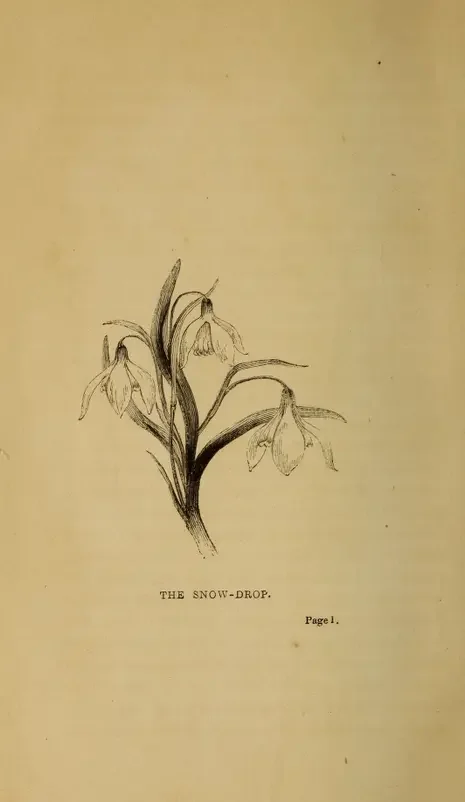
Schneeglöckchen (Snowdrops)
Veilchen (Violets)
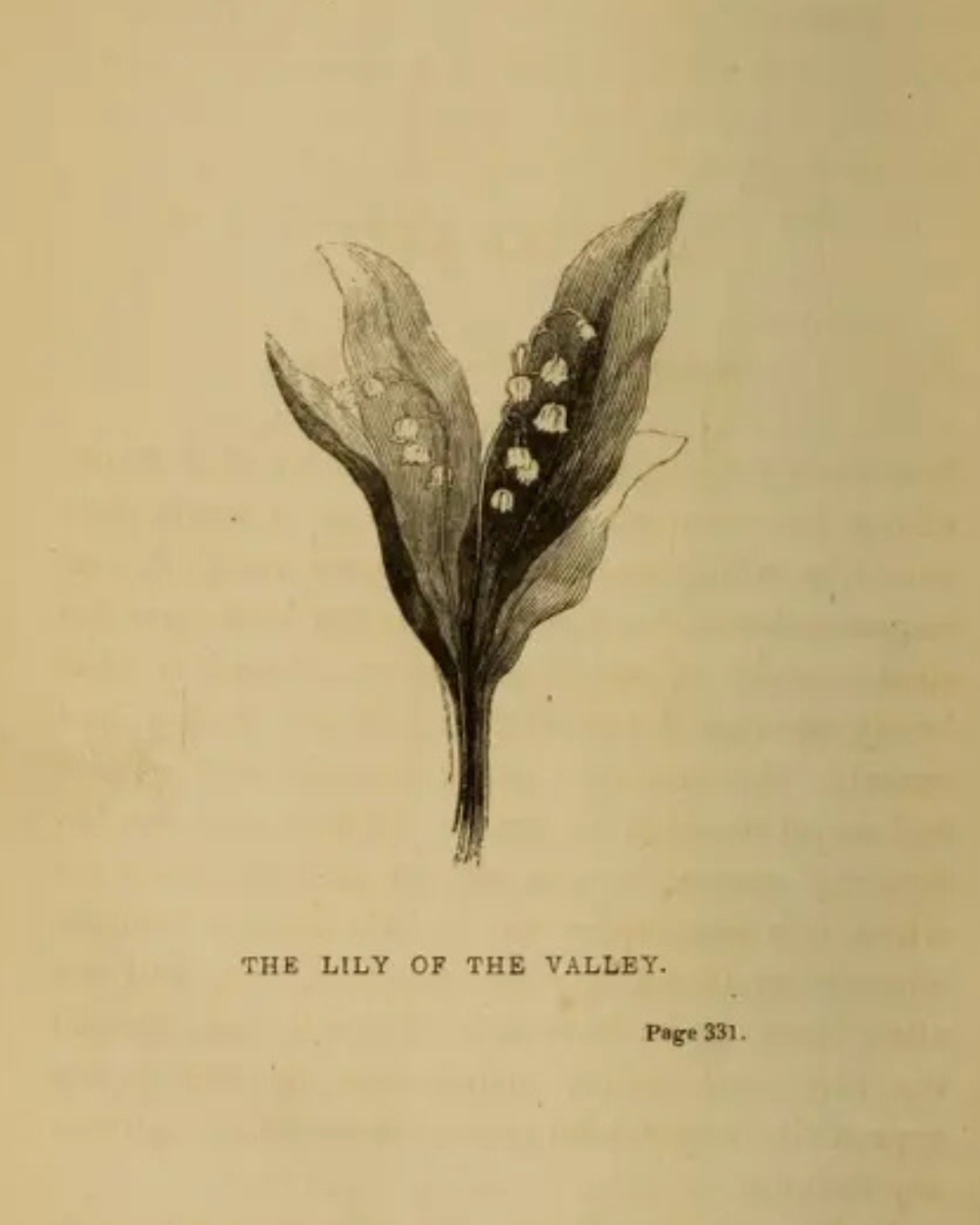
Maiglöckchen (Lily-of-the-valley)
Vergissmeinnicht (Forget-me-nots)
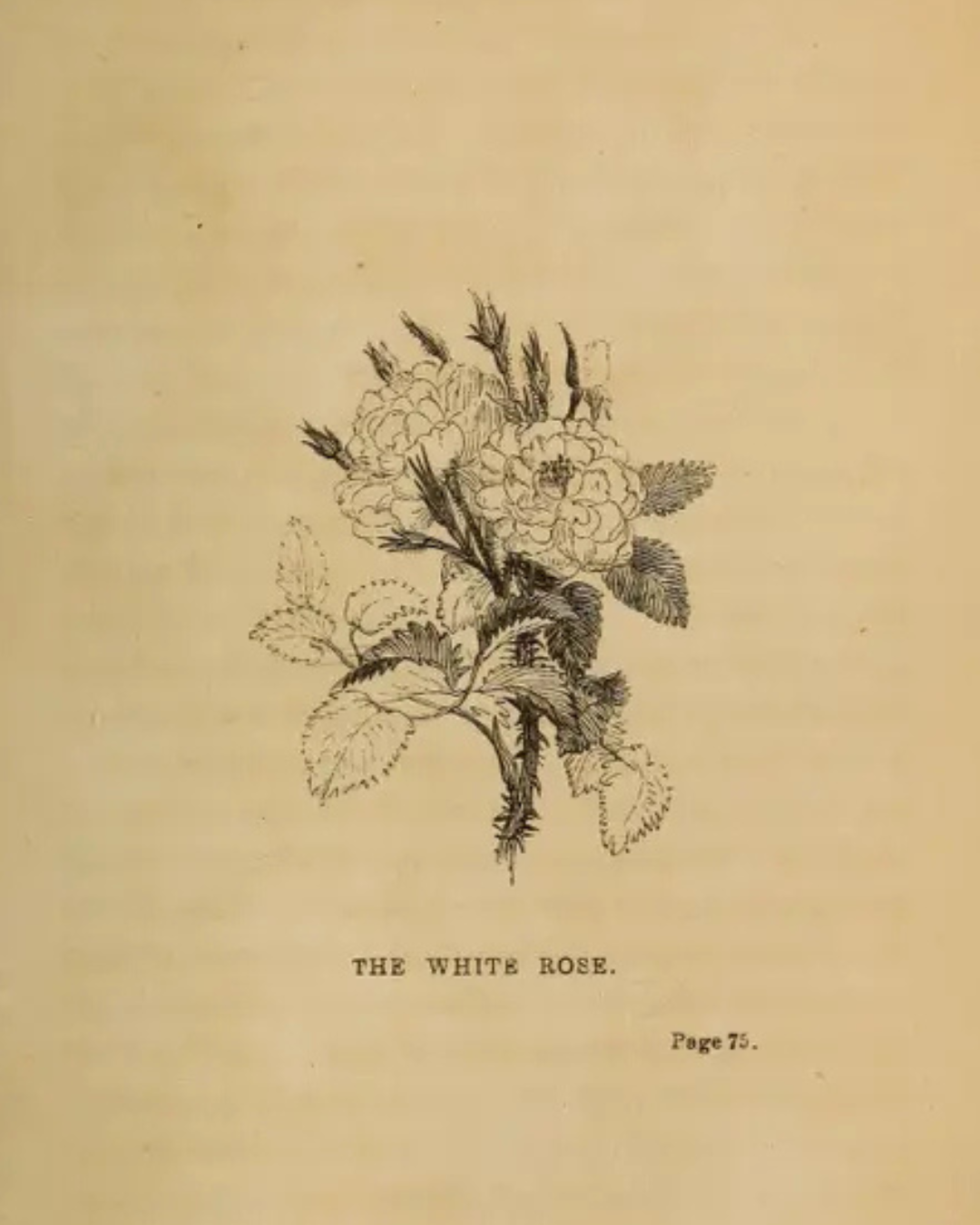
Rose (Rose)
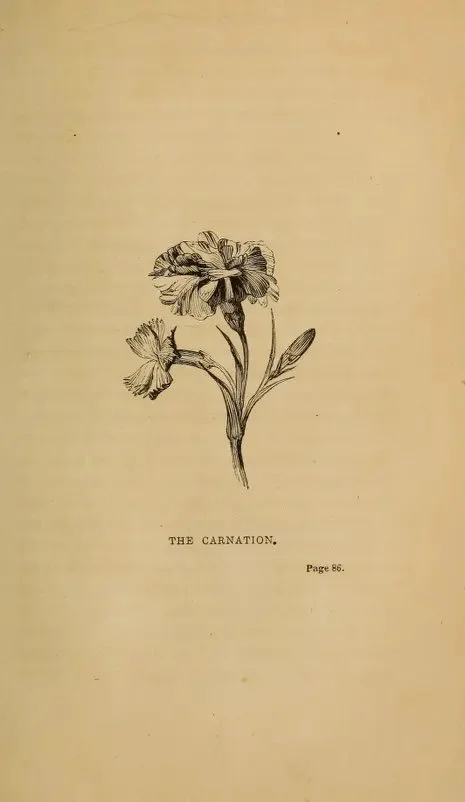
Rote Nelke (Red Carnations)
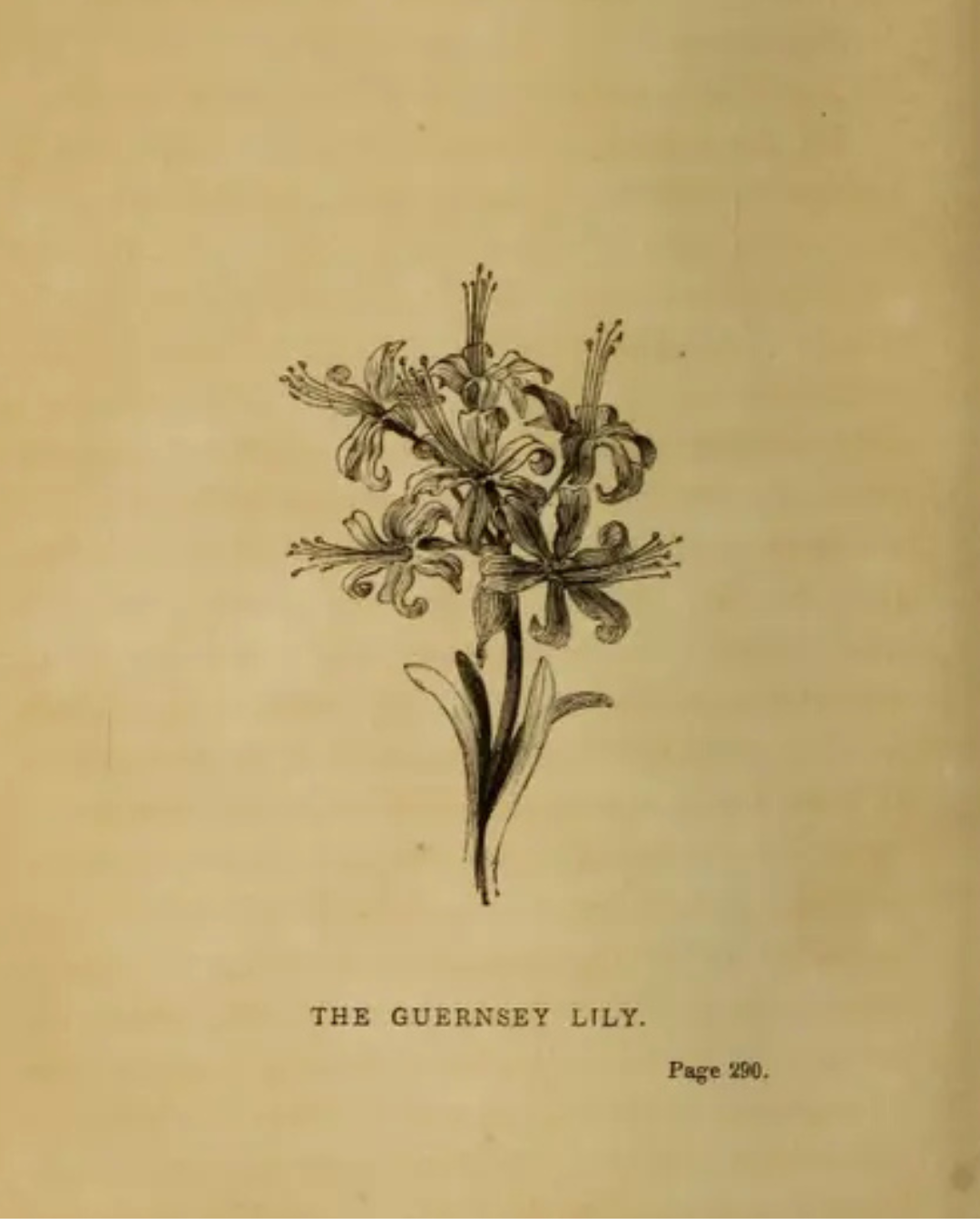
Lilie (Lilies)
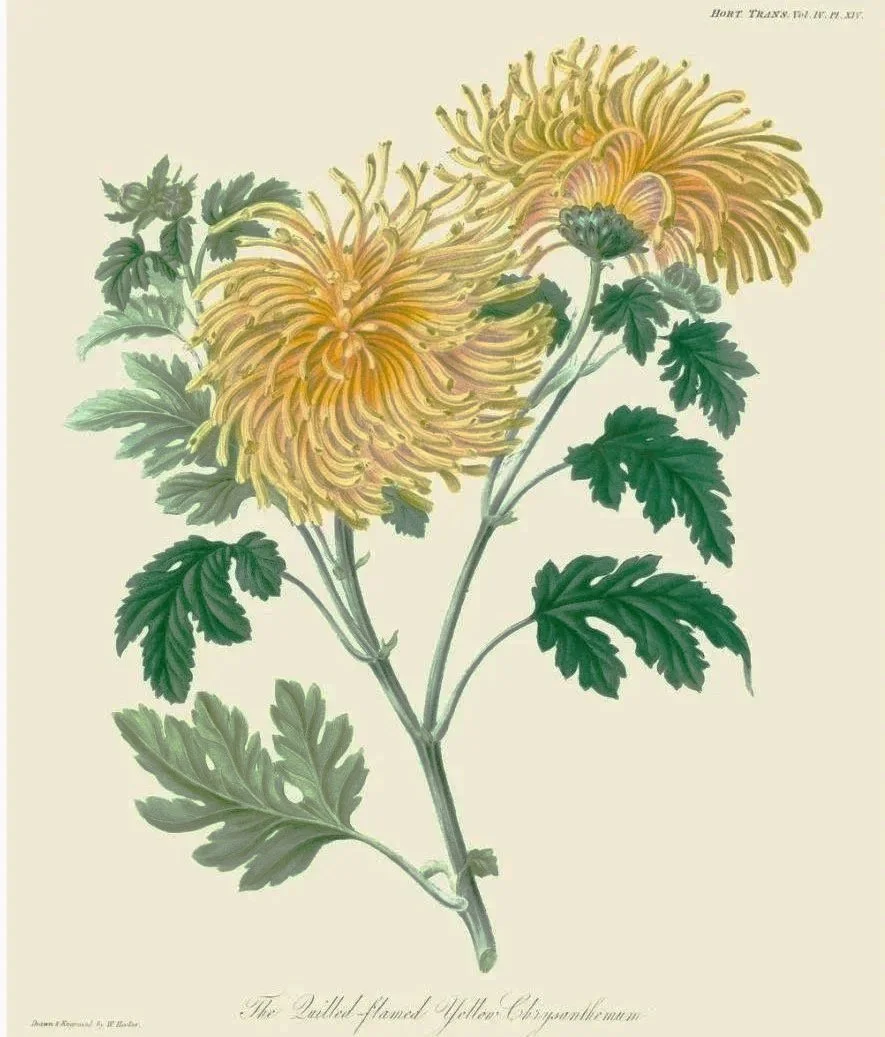
Chrysanthemum (Chrysanthemums)
Blumenleben, Op. 19 (1904-5) belongs to Dora Pejačević's early creative period, evoking the lyricism and rich harmonic language associated with German Romanticism and Robert Schumann (i.e. Blumenstück, Op. 19). Throughout this cycle of miniatures, moments of introspection and warmth are balanced with virtuosity.
During Pejačević’s lifetime, her solo and chamber works were regularly performed in private salons and concert settings by respected musicians throughout Central Europe. Several documented performances of Blumenleben, Op. 19 survive, including a private concert in Zagreb on January 5, 1907 at which Pejačević performed as both violinist and pianist. Blumenleben, Op. 19 was later performed by Walther Bachmann, an influential pianist and teacher in Dresden, in both Dresden and Zagreb in 1910. (Bachmann also led the Bachmann–Bärtich–Stenz Piano Trio with concertmaster Rudolf Bärtich and cellist Arthur Stenz, which regularly performed at the Neustädter Kasino in Dresden. Pejačević dedicated her Piano Trio to Bachmann, and he also performed her Piano Quartet in 1910.)
Blumenleben, Op. 19 combines the rhetoric of salon miniatures within a larger cyclic narrative. The work traces the progression of seasonal flowers according to their bloom times, beginning with Snowdrops, which emerge in late winter and early spring, and concludes with Chrysanthemums, the final flowers of late autumn. The opening movements evoke the vitality of Spring, while “Rose” and “Red Carnations” form the expressive center of the cycle. The final movements, “Lilies” and “Chrysanthemums” turn towards a contemplative and reflective atmosphere. Harmonically, the cycle links movements to create a sense of continuity. For example, the use of enharmonic reinterpretation allows “Forget-me-nots” and “Rose” to transition from A flat major to E major.
In “Chrysanthemums,” Pejačević recalls one of her favorite funeral-march topoi, a gesture that also appears in the Impromptu, Op. 9, the Adagio of the Piano Trio, Op. 15, and the Elegy for Violin and Piano. A descending bass line gives the movement a solemn, processional character, reinforcing the close of the growing season. This descending motive also recalls earlier movements, notably in “Lilies” and “Red Carnations” which strengthen the works unity.
In “Forget-me-nots,” a series of three musical gestures repeats, each time reharmonized. (This repetition complements the flower’s traditional association with remembrance.) In “Rose,” the retransition to opening material features a chord progression that moves through enharmonic modulation to a descending cascade of pentatonic pitches.

On Floral Symbolism in Blumenleben, Op. 19:
The flowers represented in Blumenleben, Op. 19 were all associated with well-established symbolic meanings in nineteenth-century European culture. However, apart from Red Carnations, Pejačević does not specify the color or variety of flowers such as Lilies, Chrysanthemums, or Roses. These details often carried distinct symbolic significance in Victorian floriography, and their omission leaves the flowers’ associations more open-ended in Blumenleben, Op. 19.
Common 19th-century flower associations:
Snowdrops: hope, renewal, purity, the arrival of spring
Violets: affection, faithfulness
Lily-of-the-valley: return of happiness, springtime, purity
Forget-me-not: devoted love, a promise to remember
Rose: Red for passionate love; White for purity (varies)
Red Carnations: deep admiration, love, affection; politically associated with courage (worn by those facing the guillotine)
Lilies: (varies by color) White for purity or innocence after death
Chrysanthemums: (varies by color) In Blumenleben, Op. 19, referencing the seasonal associations with death and mourning in conjunction with a lament topic
A note on gender
The prominence of flowers and gardens in the music of women composers reflects more than personal taste. It also reveals the gendered realities of the nineteenth and early twentieth centuries. As musicologist Denise Von Glahn observes, women's musical engagement with nature often “reflected the boundaries of what was considered a woman's sphere” (Music and the Skillful Listener).
Gardens were associated with domestic life and feminine accomplishment, whereas the wildnerness was frequently thought of as a masculine space of exploration and conquest. For many women composers, gardens became familiar sites of observation and creativity. Floral character pieces also aligned with the expectations of the salon, and were considered appropriate for women composers.
Rather than limiting artistic expression, however, composers such as Amy Beach and Dora Pejačević move beyond these decorative conventions and use flowers as a means to create rich and sophisticated character pieces.