
Seed: Germinal Roots and First Respiration
May 31st, 2026
5:00 PM
Faraway Farm Alpacas,
Yorktown Heights, NY
Sharon Cho, violin
WanYi Pan, cello
Kathryn Felt, piano
Program
Lili Boulanger (1893-1918)
D’un matin de printemps (1918) ‘5
Emilie Mayer (1812-1883)
Piano Trio Op 16. in B minor (1861) ‘26
I. Allegro di molto e con brio
II. Un poco Adagio
III. Scherzo. Allegro assai
IV. Finale. Allegro
Gabriela Ortiz (1964)
Trifolium (2005) ‘14
Angelique Mouyis
"How to Breathe" from The Trees Speak (2026) ‘7
Ludwig van Beethoven (1770-1827)
Piano Trio Op. 1, No. 1 in E-flat major (1795) ‘7
IV. Finale. Presto
May 2026 I Seed
Yorktown Heights, NY
Performers
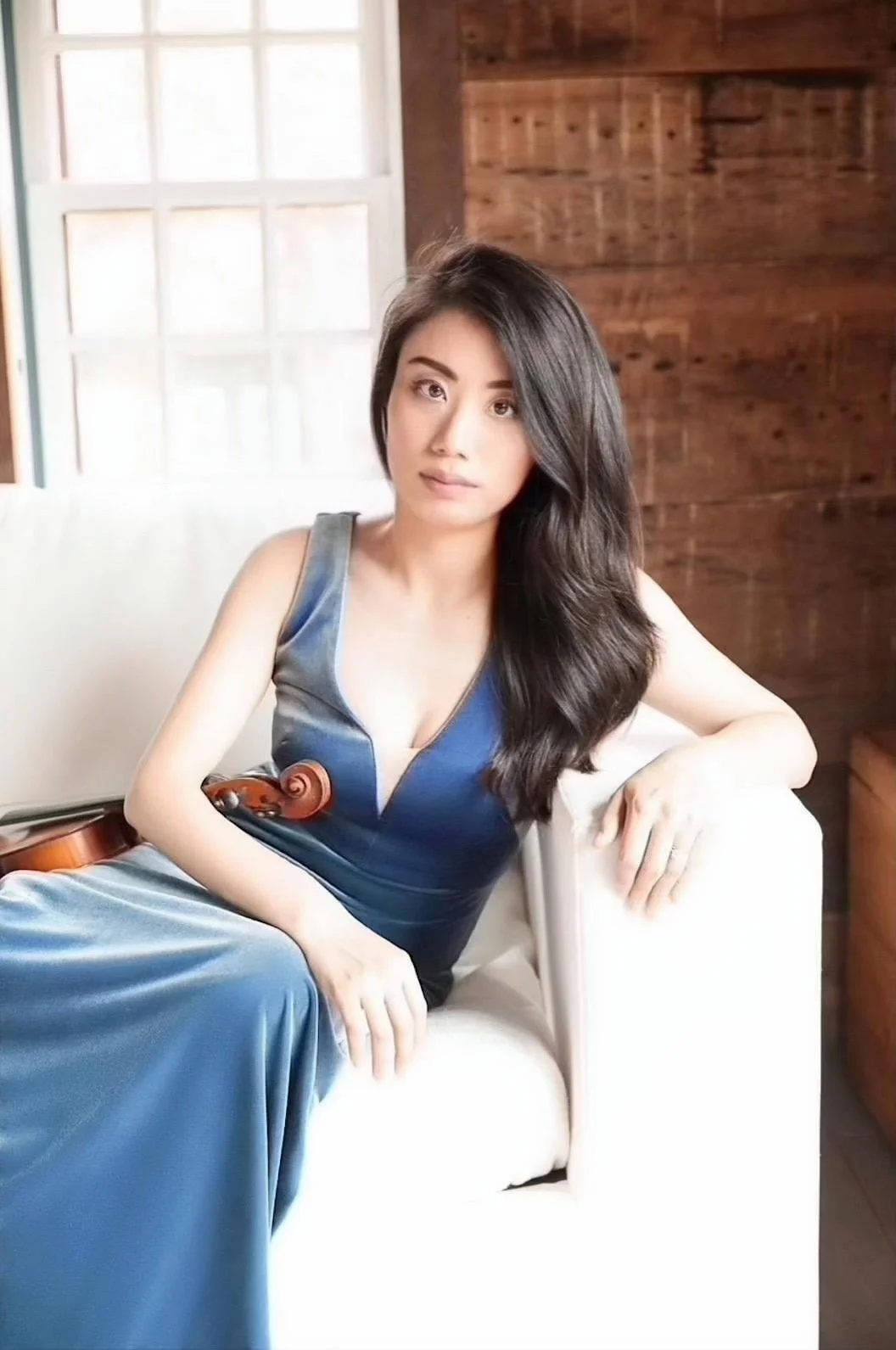
Sharon Gayoung Cho
ViolinDr. Sharon Gayoung Cho is an internationally recognized violinist and chamber musician whose career has taken her across Europe, Asia, and the United States. She has appeared at Carnegie Hall, Lincoln Center, the Vienna Musikverein, and the Austrian Presidential Palace, where she was invited to perform for the President of Austria.
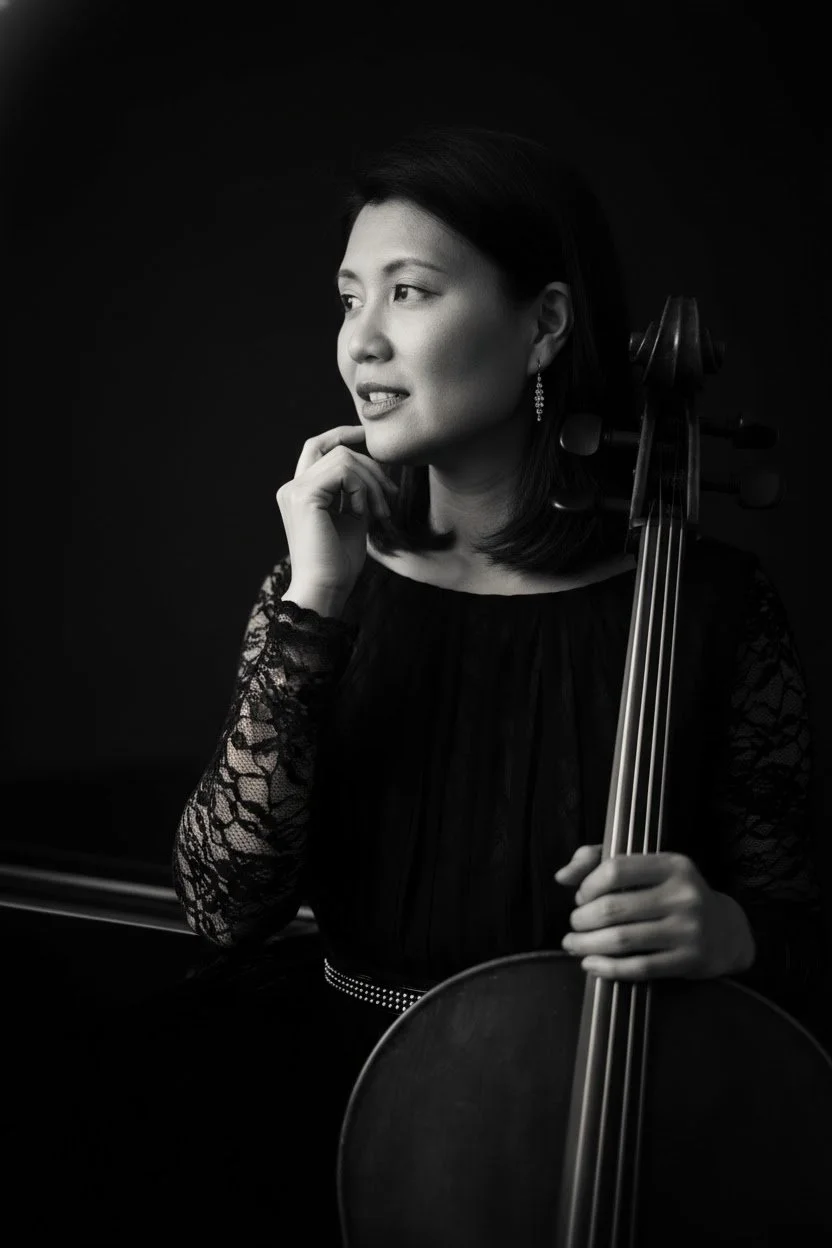
WanYi Pan
CelloA native of Kaohsiung, Taiwan, Dr. WanYi Pan has received degrees from the Cleveland Institute of Music (B. Mus.), SUNY Purchase College (MM), and Mason Gross School of the Arts, Rutgers University (DMA). Her teachers have included Peter Wiley, Richard Weiss, Jonathan Spitz, Merry Peckham and Allan Harris.
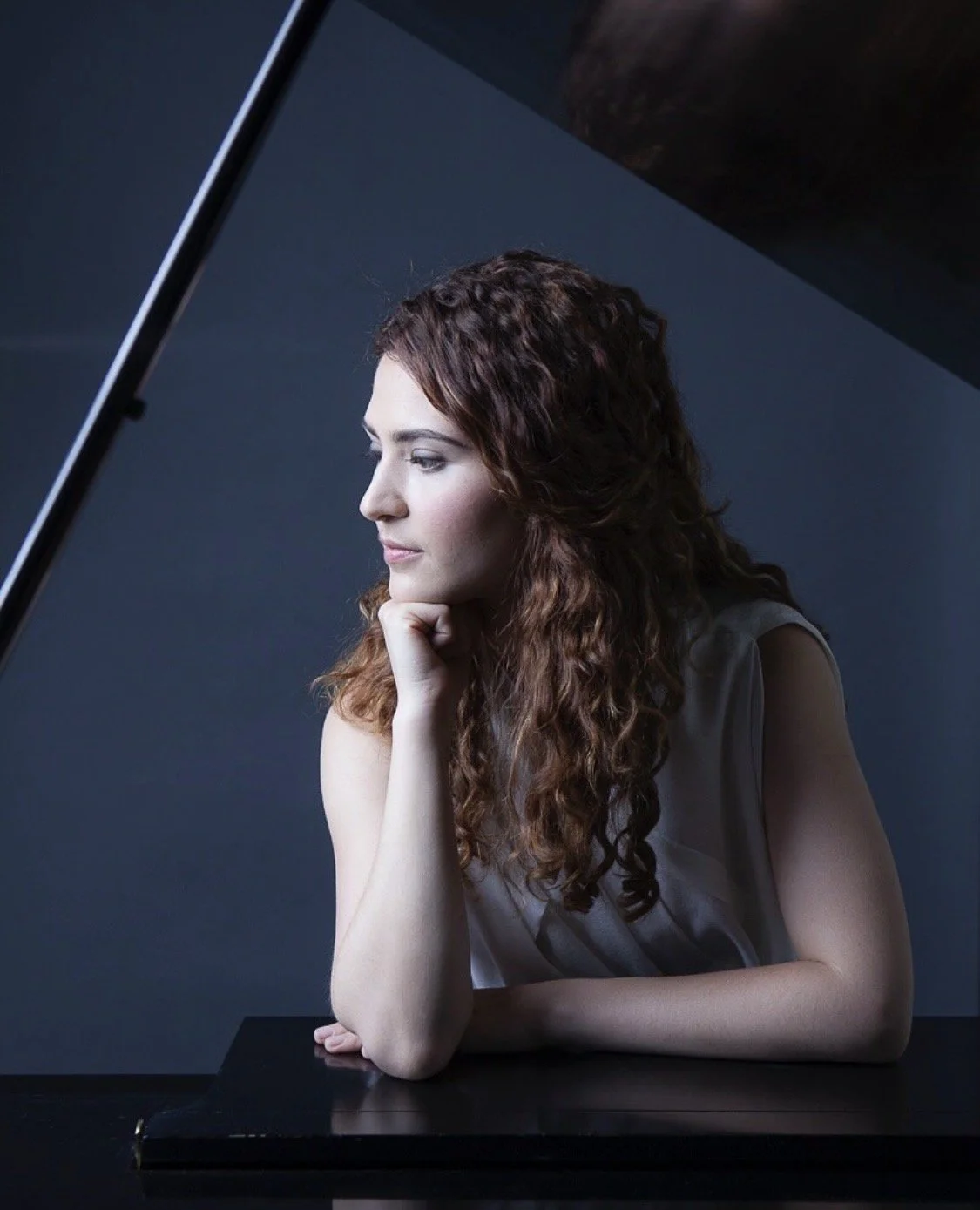
Kathryn Felt
PianoKathryn Felt, DMA is a pianist and educator whose work integrates performance, research, and advocacy. She has performed at leading venues including Lincoln Center and Koerner Hall, and with ensembles such as the Delaware Symphony, The Juilliard Orchestra, Reading Symphony Orchestra, and New World Symphony.
D’un matin de printemps
Lili Boulanger (1893-1918)
Duration: 5’
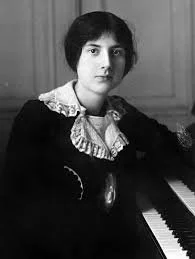
In 1913, when Lili Boulanger won the prestigious Prix de Rome at just 19 years old, becoming the first woman to wind the prize for music, it made international headlines. Though her physical condition severely restricted her ability to compose, she nevertheless created a small but distinctive catalogue of music. Composed between 1917 and 1918 shortly before she died at the age of 24, D’un matin de printemps [One Spring Morning] has become Boulanger’s one of her most frequently performed works.
The piece exists in a number of versions for different instrumentations, including trio, duo, and orchestra. The trio version was the first to be written and premiered at the Société Nationale de Musique on February 8, 1919 one year after her death. At the request of her sister, the great pedagogue Nadia Boulanger, only the duo version for violin or flute and piano was published during this era (Éditions Durand, 1922). Decades later, in 1975, Nadia had copies of the trio version made, tracing the originals of both the full scores and the instrumental parts.
D’un matin de printemps is intrinsically linked to its companion piece, D’un soir triste [On a Melancholy Evening]. Both composed during 1917–1918, the two works share melodic material and stand, alas, as the final pieces Lili Boulanger wrote with her own hand. The original manuscripts, filled with tiny notes, betray the increasing severity of her illness; eventually, her sister had to step in and fill in the rest of the notation.
True to its title, the work simmers with the energy of spring. The piece opens with light yet propulsive eighth notes underneath melodic lines that pass between the violin and cello. A contrasting middle section, marked Mystérieux (mysterious), nods to D’un soir triste by briefly featuring a common theme shared between the two pieces. From there, the music embarks on a progression of growth, ultimately bringing the work to a brilliant, climactic end.
Piano Trio in B minor, Op. 16 (1861)
Emilie Mayer (1812-1883)
Duration: 26’
I. Allegro di molto e con brio
II. Un poco Adagio
III. Scherzo. Allegro assai
IV. Finale. Allegro
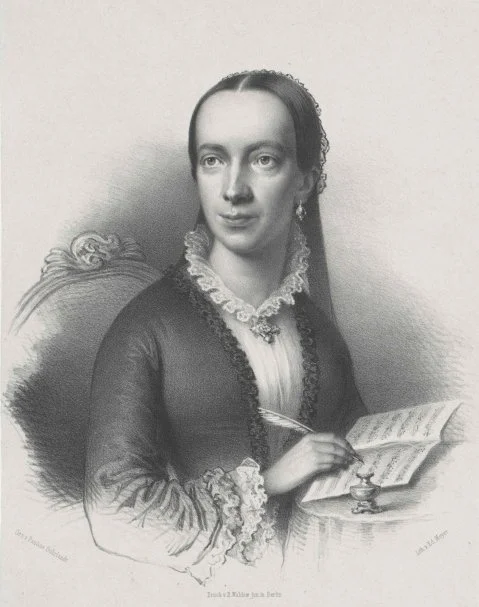
Emilie Mayer (1812–1883) was born in Friedland, Mecklenburg, Germany. Although she received piano and organ lessons as a child, her serious study of composition began only after the death of her father, when she was twenty-eight. She moved to Stettin (now Szczecin, Poland), where she studied with Carl Loewe and later continued in Berlin with the influential theorist Adolph Bernhard Marx. Despite beginning comparatively late, Mayer built a prolific career, composing symphonies, overtures, piano works, songs, and a substantial body of chamber music.
Mayer's musical language was highly influenced by the Germanic tradition of the First Viennese School and the music of Beethoven, whose influence loomed over nearly every composer in the Romantic era. Like Beethoven, Mayer was drawn to the principle of organicism: the idea that an entire composition can grow from a small musical seed, or motive.
The Piano Trio in B minor, Op. 16, a large-scale work in four movements, demonstrates Mayer's mastery of motivic development. The first movement introduces the main motive in the piano: a restless, descending figure following a dramatic minor chord. By the finale, she presents this motive as a driving triplet figure. Its declaration in the very last measure may even remind listeners of a famous Beethoven motive.
Mayer's music was highly regarded during her lifetime, and writers have often described her as a "female Beethoven." Like Beethoven, Mayer’s style uses bold contrasts, driving rhythmic energy, and dramatic use of major and minor tonalities. Although this nickname recognizes her influence and command as a composer, it can also obscure her individuality as a composer. After Mayer’s death in 1883, her music fell into obscurity; only in recent years have orchestras, performers, and scholars revived Mayer's music through new performances, recordings, and editions.
Trifolium (2005)
Gabriela Ortiz (b. 1965)
Duration: 14’
The title Trifolium refers to the scientific name for clover, the three-leaved plant universally recognized for its rejuvenating and soil-restoring properties. For Ortiz, this biological structure serves as a musical metaphor: the three individual instruments of the trio represent the three distinct leaves of a single trifolium, tightly bound to the same root yet distinct in their expressions.
The piece is cast in a traditional fast-slow-fast structure that improvisatorily flows between sections. The opening section features a canon built directly from the first measures of the piece, this time at a much slower and expanded rate. The outer sections of the work are fiercely rhythmic, and pulses with a distinct Latin feel driven by polyrhythms and syncopations. The middle section of the work is equal in length to the outer sections; it features an extended violin and cello duo, and has an amorphous, suspended feel.
Multi-Grammy® and Latin Grammy® award-winning composer Gabriela Ortiz is one of Mexico’s foremost composers and a leading voice on the international music scene. Her musical language achieves an extraordinary and expressive synthesis of tradition and the avant-garde; combining high art and folk and popular music in novel, frequently refined an always personal ways. Her compositions are credited for being both entertaining and immediate as well as profound and sophisticated; she achieves. balance between highly organized structure and improvisatory spontaneity.
You can explore more of Gabriela Ortiz’s works on www.gabrielaortiz.com
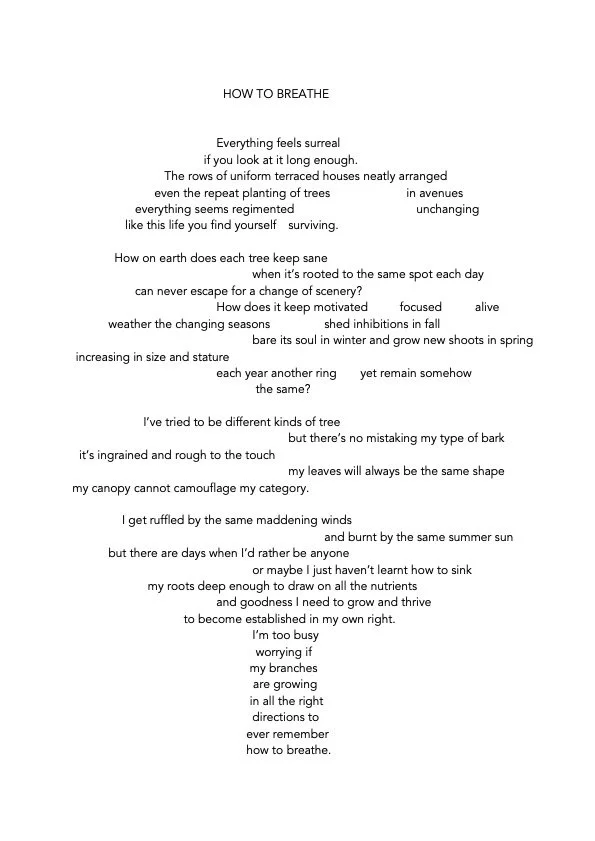
"How to Breathe" from The Trees Speak (2026)
Angelique Mouyis (b.
Learn More About the Commission
Duration: ‘7
The Trees Speak originated as an eco-song cycle exploring the lives of trees within increasingly fragile urban and ecological environments. “How to Breathe” opens the cycle by examining the everyday life of a tree in a fixed urban environment. In the poem, the narrator identifies with the tree’s existence, comparing their lives, should he become rooted to one spot.
In the chamber arrangement, the vocal part is transferred to violin, cello, and piano — wooden instruments that were once trees. Rather than assigning the singer’s role to a single instrument, Mouyis disperses the melodic lines throughout the ensemble creating “a conversation, like they are all branches of a tree.”
Learn more about Angelique Mouyis’s music at www.angeliquemouyis.com.
Piano Trio in E-flat major, Op. 1 No. 1 (1795)
Ludwig van Beethoven (1770-1827)
Duration: ‘7
IV. Presto
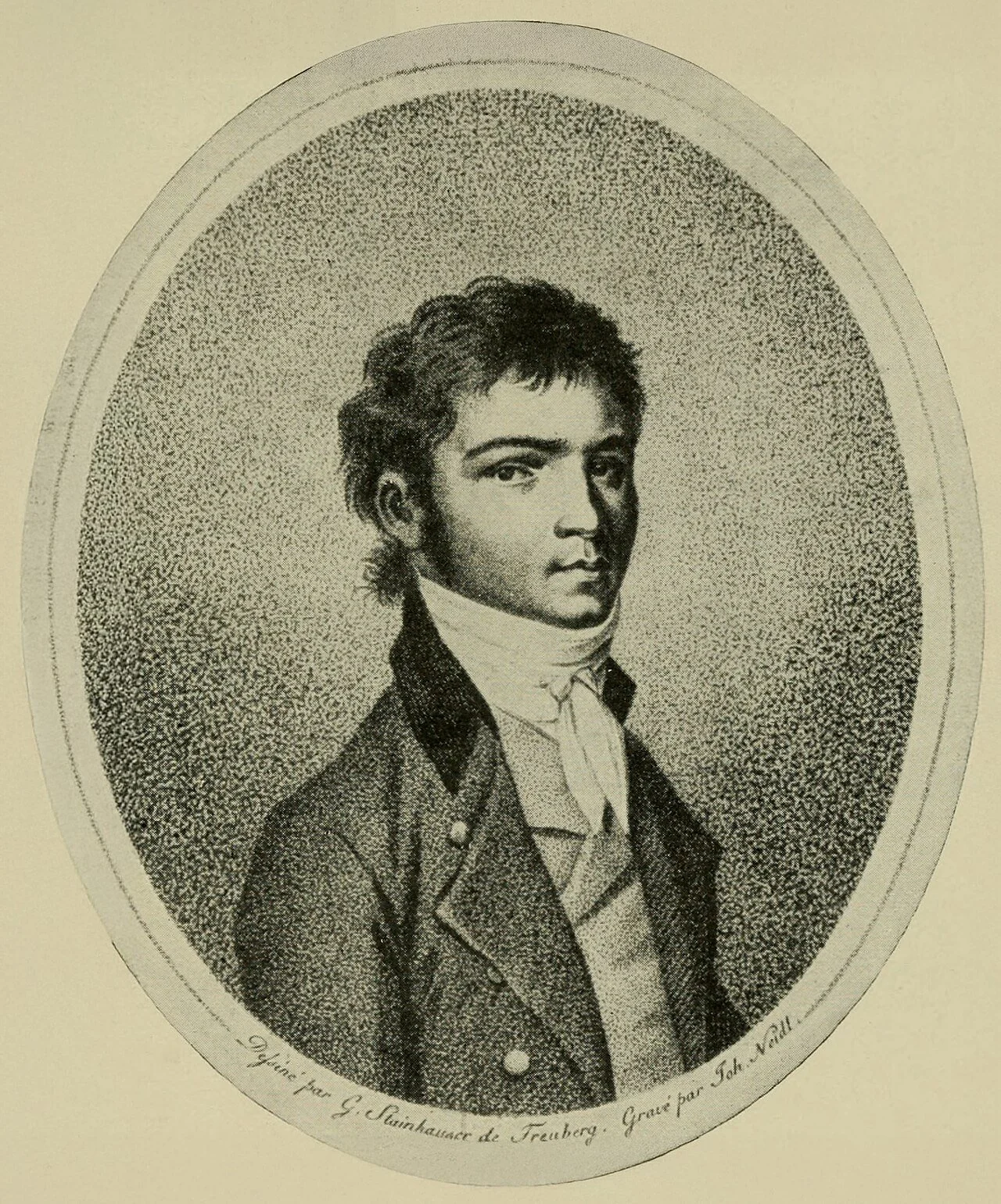
The earliest known portrait of Beethoven (age 29), engraved by Johann Joseph Neidl (c. 1801)
When a twenty-one-year-old Ludwig van Beethoven arrived in Vienna from his hometown of Bonn, he was intent on conquering the capital of the musical world as a virtuoso pianist-composer. When it came time to publish his official "Opus 1" in 1795, Beethoven chose a set of three piano trios. Though standard classical practice favored three-movement chamber works, Beethoven expanded his trios into large-scale symphonic, four-movement structures. Tonight’s program features the brilliant finale of the first published trio: the Presto.
The movement opens with a playful leaping interval of a large tenth, which the piano flings upward three distinct times This motive sets the tone for the entire movement’s exuberance and serves as a literal springboard for a series of clever musical transformations from this simple motive.
Beethoven each trio member a completely independent, conversational role. When the lyrical secondary theme arrives (a transformation of the first theme), it winds its way through the ensemble, passing the memorable tune from the violin, to the cello, to the piano, and back to the violin.
Another striking moment occurs late in the movement, when Beethoven displays his trademark harmonic boldness by abruptly steering this theme into the surprising key of E major, quite far from the home-key of Eb Major. It hangs there suspended before dramatically snapping back home to E-flat and driving the piece to a triumphant conclusion.
New to classical music? Welcome!
If you're new to classical concerts, welcome! A few notes you might find helpful: audience members traditionally wait until the end of a complete work to applaud, although we warmly welcome applause at any time in this venue. You may also hear birds, wind, alpacas, or other sounds from the farm. We like to think of these as part of the musical experience, too. Most of all, relax, listen, and enjoy… We're so glad you're here!
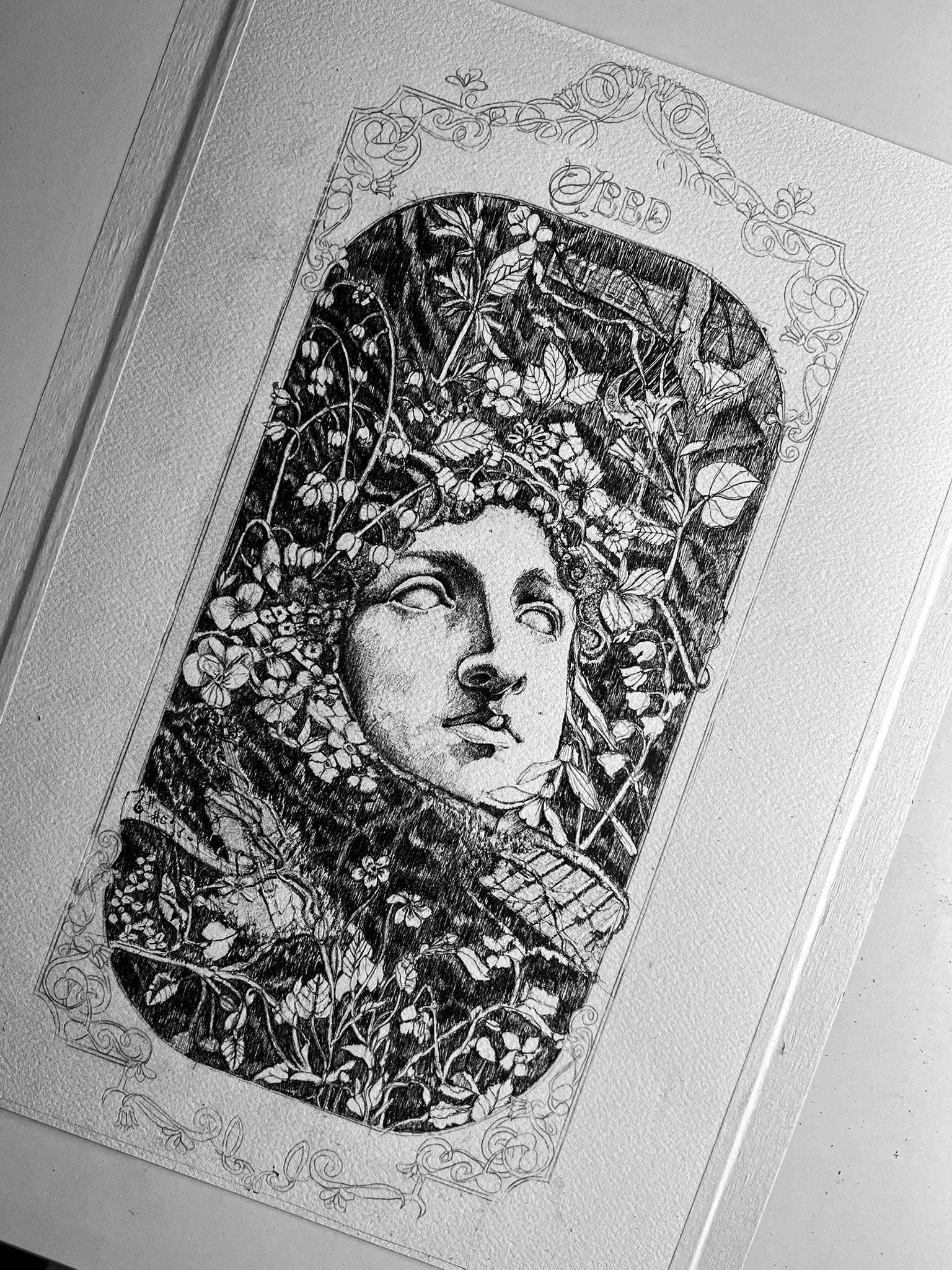
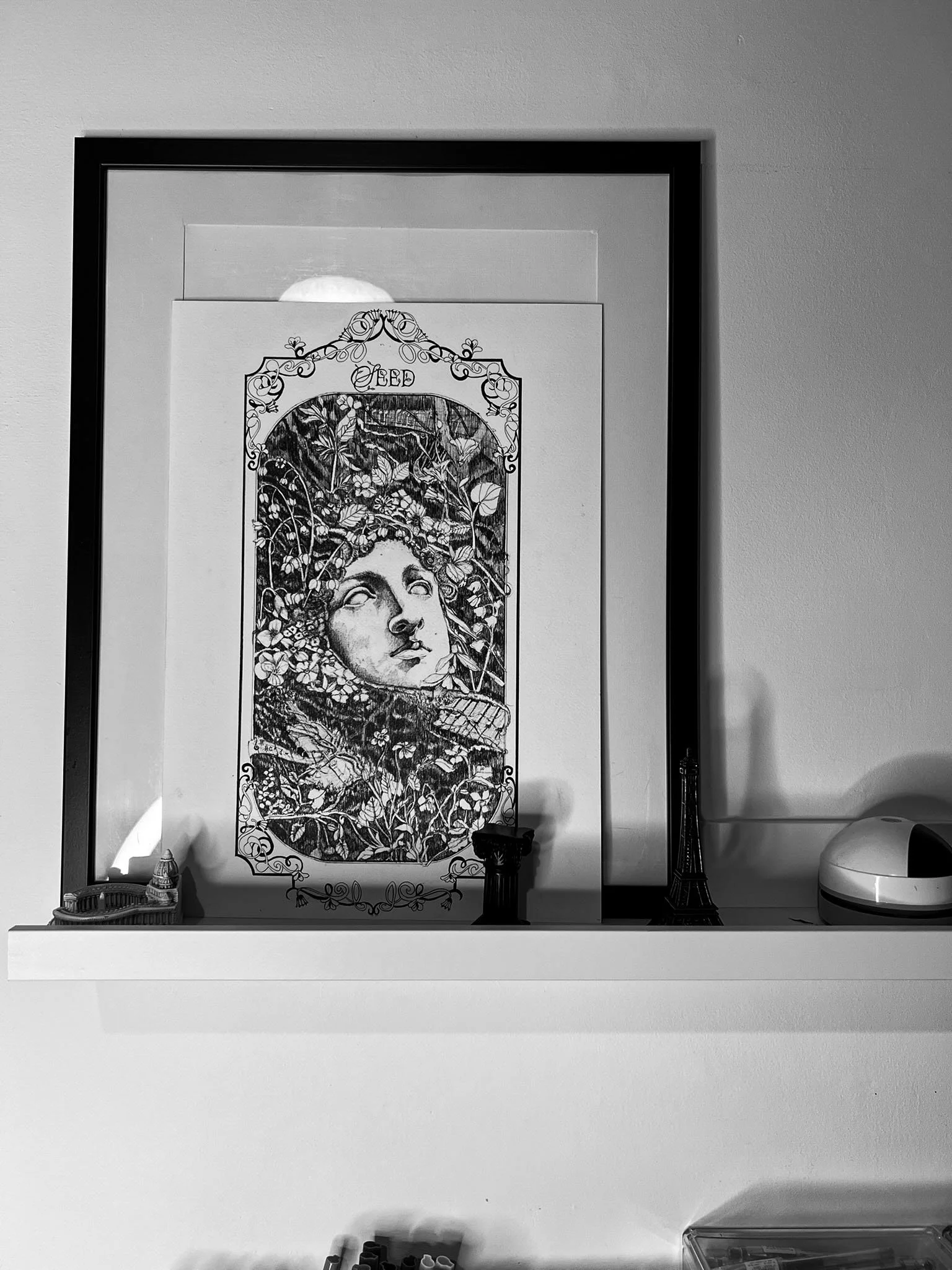
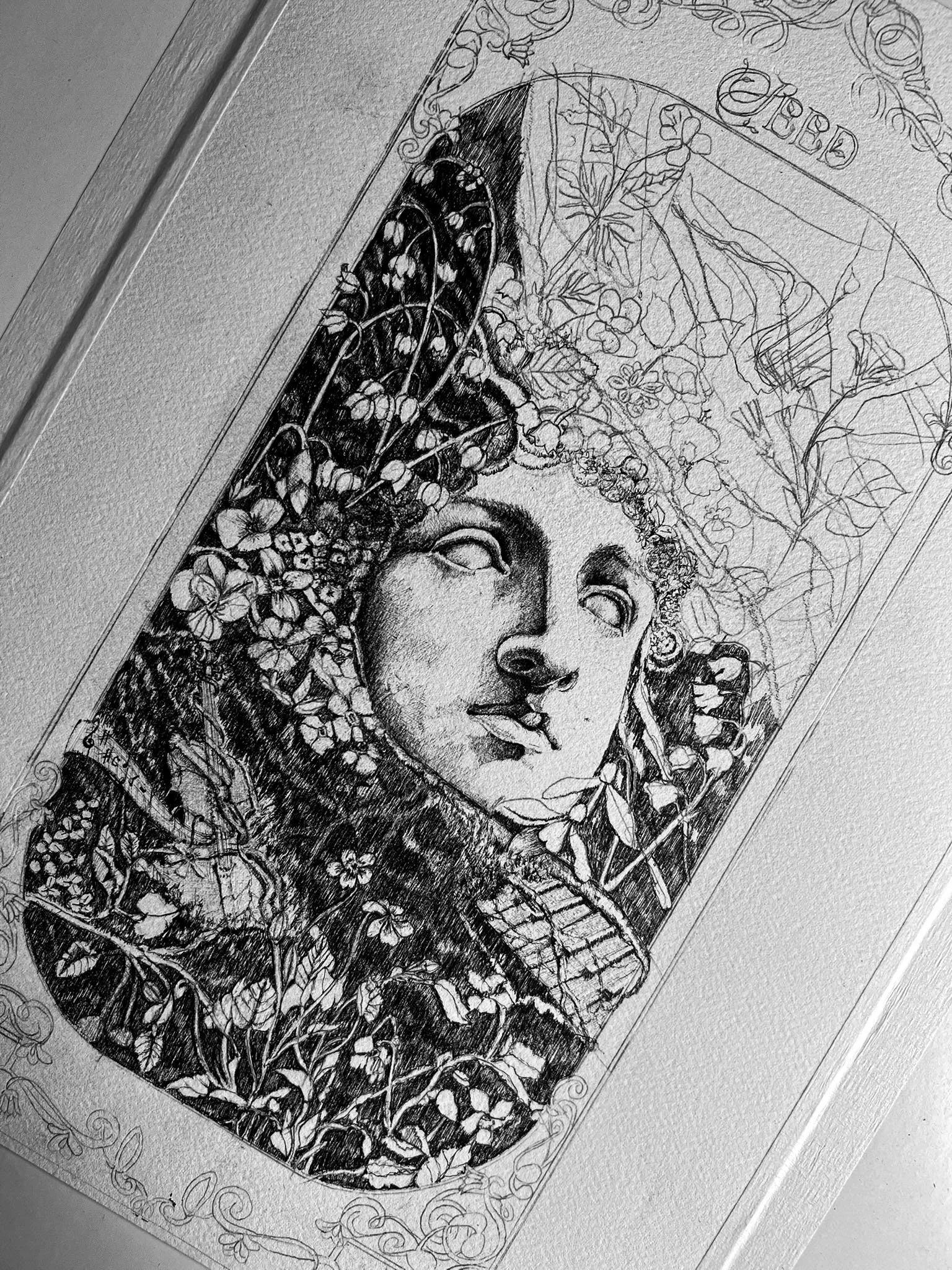
About the Artwork: SEED
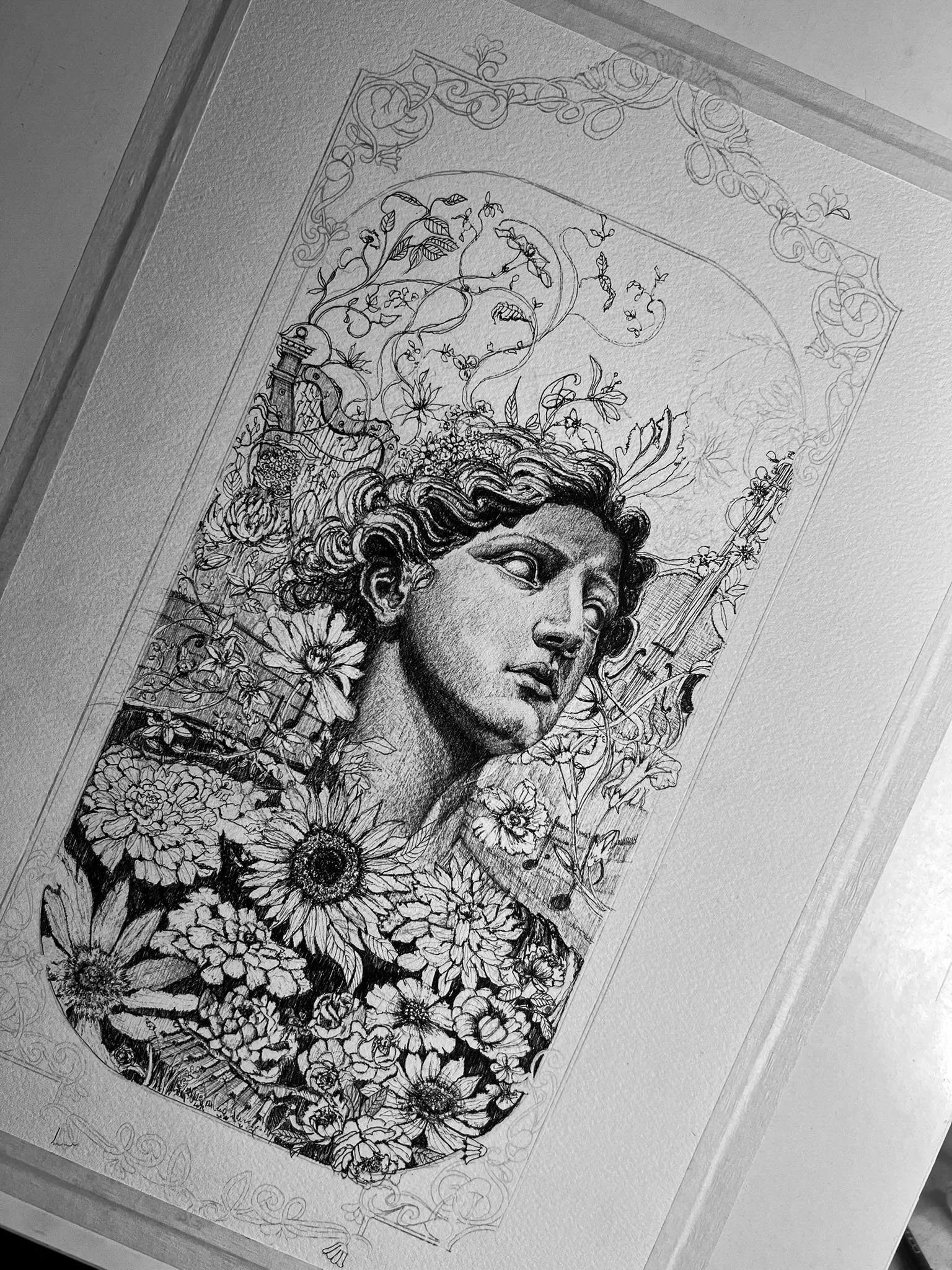
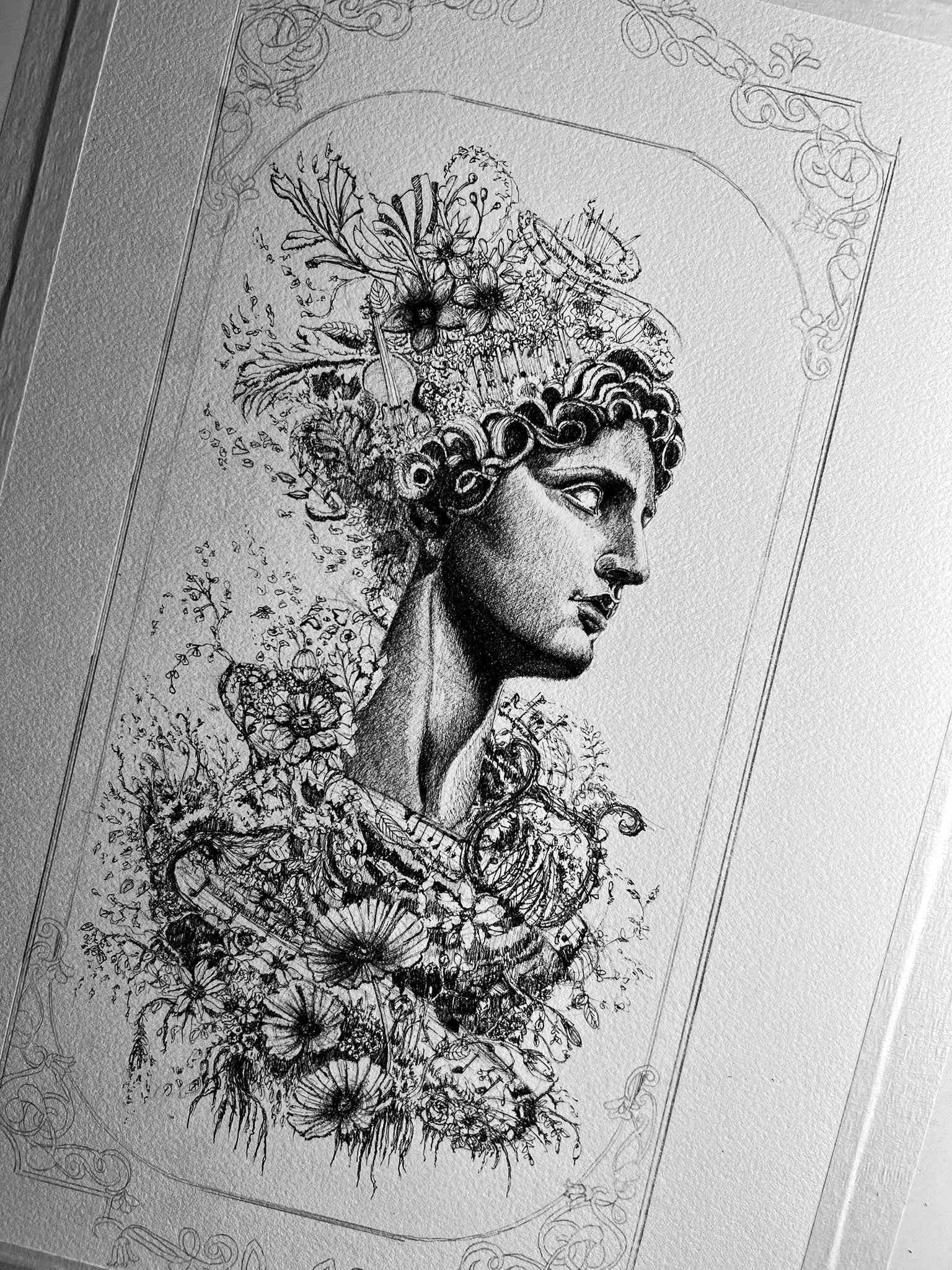
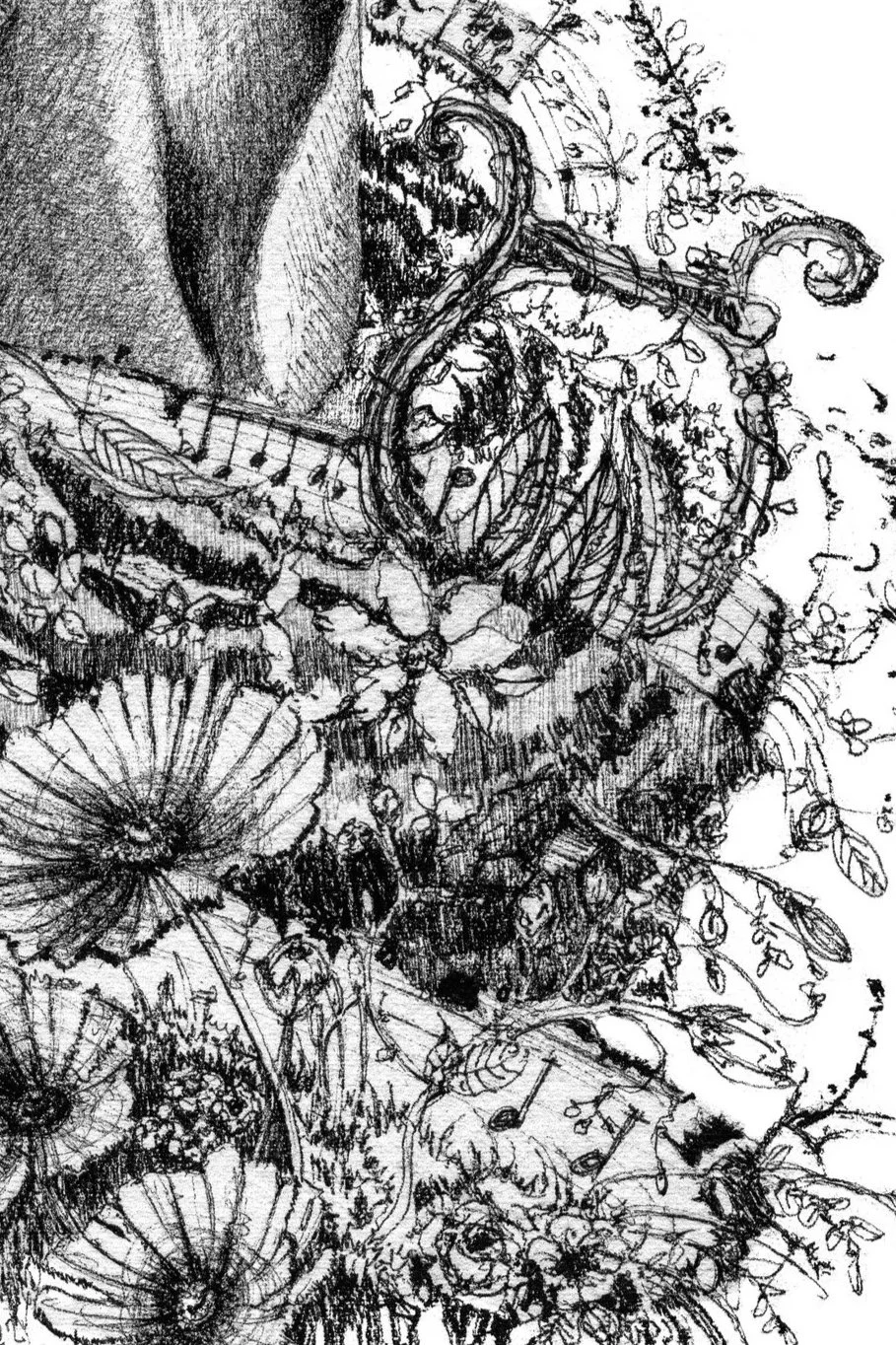
The artwork featured throughout today's concert was created by illustrator Antonietta Positano for Wild Muse Arts' inaugural season, Seed | Bloom | Flight.
Seed by Antonietta Positano explores themes of origin, growth, and emergence. The central figure is partially embedded in the earth, surrounded by an intricate network of roots that serve as a visual metaphor for musical organicism (the idea that a large work can grow from a seed). Fragments of musical instruments emerge from the soil, while clover (Trifolium incarnatum) references both the piano trio (violin, cello, and piano) and Gabriela Ortiz's Trifolium, featured on today's program. Delicate line-drawn flowers, inspired by Art Nouveau stained glass, appear to float between these worlds.
Limited-edition prints are available for purchase, with proceeds supporting future Wild Muse Arts programming.
Venmo: @WildMuseArts ($25)
Planting Notes
Sunflowers (Helianthus): sow in full sun after the danger of frost; darkness to germinate; 60-75 days to maturity
Crimson Clover (Trifolium incarnatum): lightly cover seed to sow; container friendly; sow in early-late spring or fall for blooms the following year.
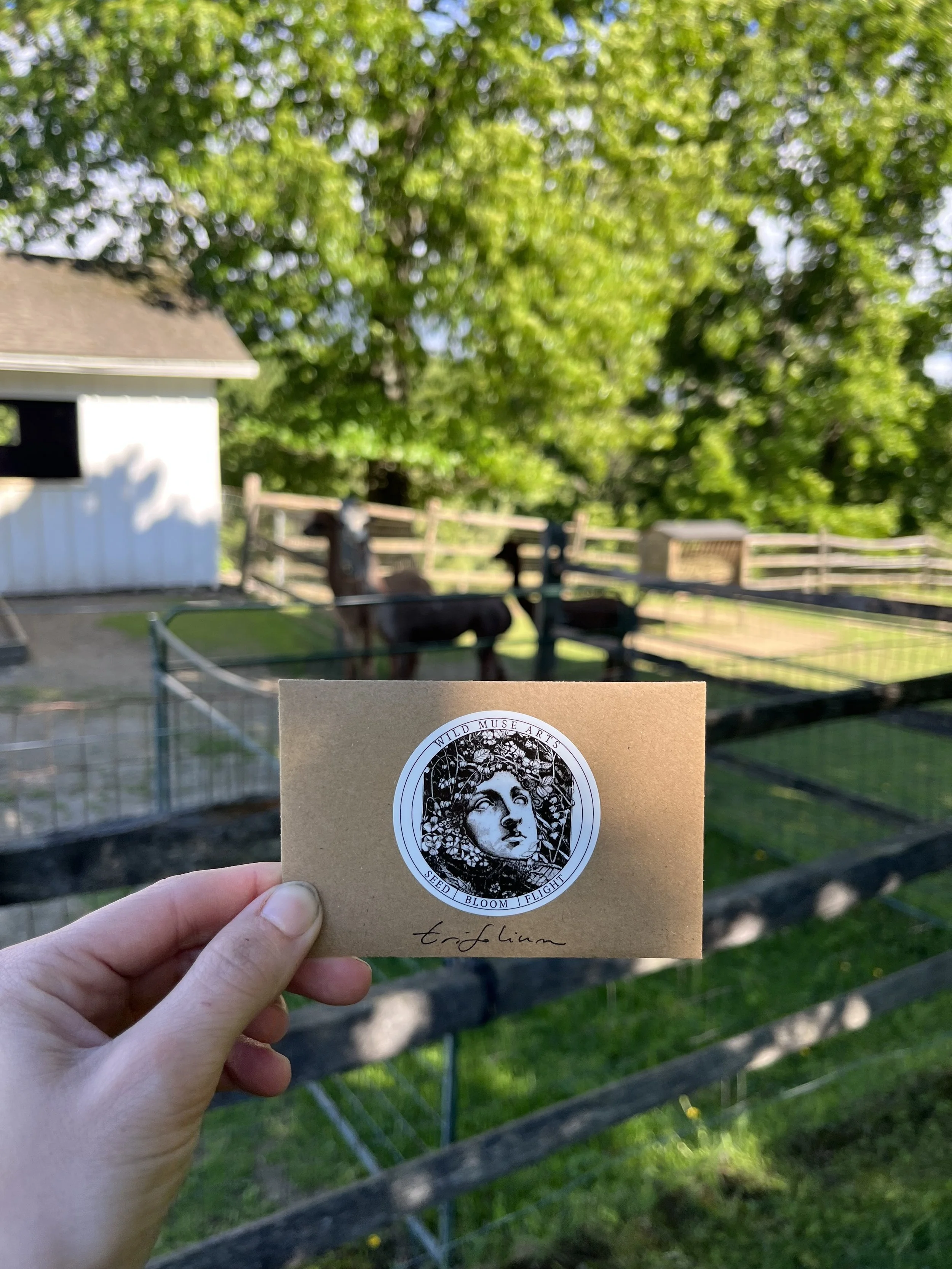
Take a Seed Home
Please take home a seed packet as our gift to you. Sunflowers and crimson clover (Triflolium incarnatum) reflect the themes of growth and renewal that inspired today's program.
Guests arriving by carpool or Metro-North are invited to receive a compost token from the farm as a small gesture supporting low-impact travel.
We’d love to see what grows. Tag @wildmusearts on Instagram to share your blooms.
Explore the Season
Seed | Bloom | Flight
A three-part concert series inspired by the botanical cycle of growth and transformation.


special thanks to…
support
wild muse concerts
Help us bloom!
Wild Muse Concerts is an artist-led initiative fiscally sponsored by the New York Foundation for the Arts (NYFA), a 501(c)(3) nonprofit organization.
The 2026 Wild Muse Arts concert season (May–October), Seed | Bloom | Flight, marks our first full season of programming following a successful pilot concert in 2025.
We are thrilled to bring this season of concerts to Faraway Farm Alpacas in Yorktown Heights, NY.
Donations are tax-deductible to the extent allowed by law.
Your contribution directly supports:
• fair artist fees
• piano rental and tuning
• production costs and site logistics
• accessible ticket prices
• future concerts and seasons
Contributions of any size are deeply appreciated.
Your support ensures that our concerts are thoughtfully produced and artist-centered.
Thank you for helping make our 2026 season possible!